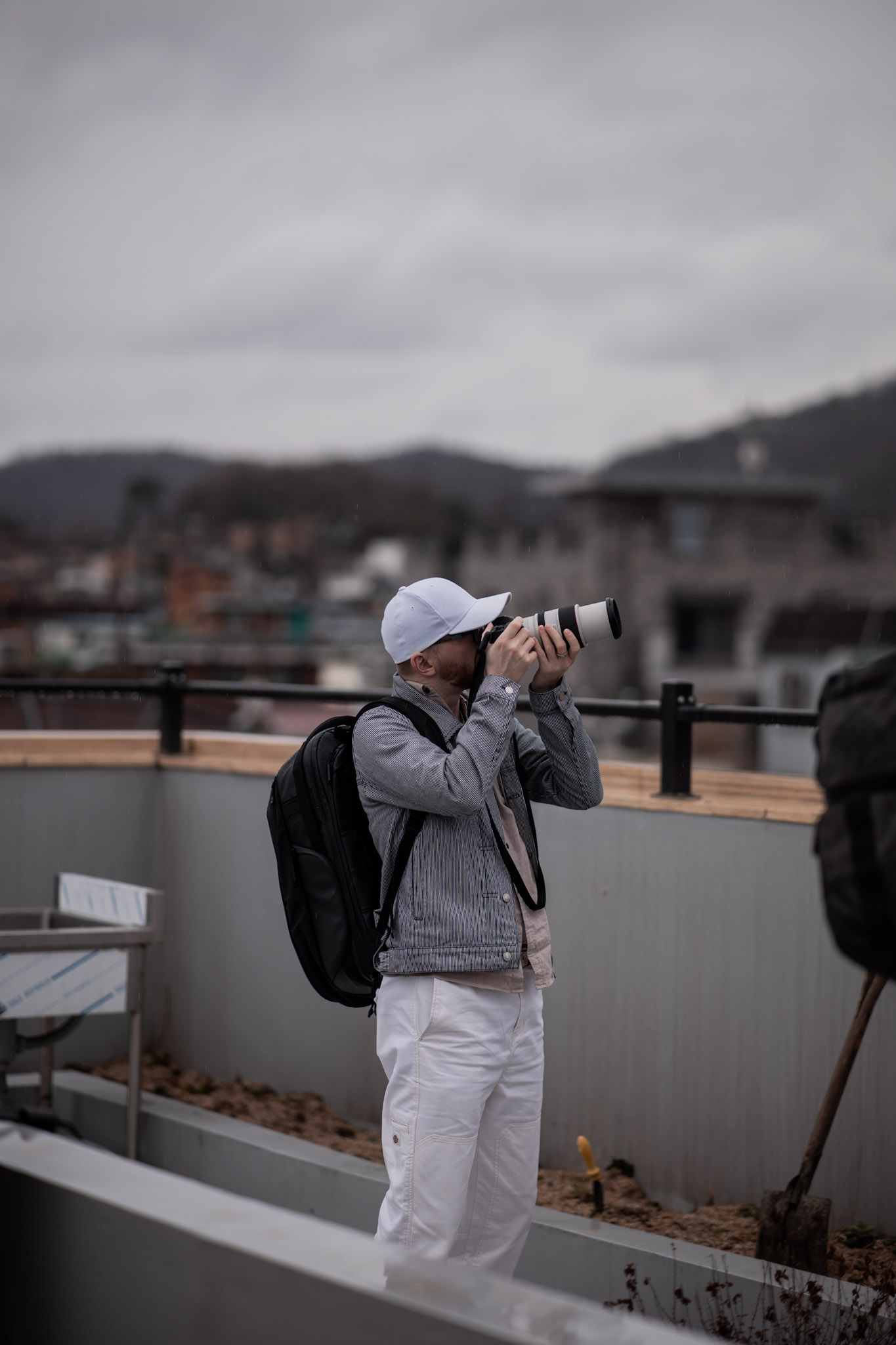
Photography: My Gear
Let’s start with my current equipment. Whenever I show people my work, I tend to get asked about my gear quite a lot. “What camera do you use?” and “What lenses do you use?” are probably the questions I’ve been asked most often as my photography has improved. So I thought this would be a good place to start.
My current body is the Canon EOS R5. I bought it in 2020 in preparation for my next trip to Korea in 2023 (damn you COVID). It was a big step up from my previous camera, the Canon EOS R. The increased resolution helps a lot when cropping, which I do quite often, and I really like the joystick as well. Overall, the camera feels great in the hand, and the image quality is stellar.
Of course, it does have its quirks, especially when it comes to the video modes. I personally don’t shoot a lot of video, though, so I’ve never really had any problems with it, even before the various improvements made through firmware updates. I’m hoping to upgrade to the Mark II, or maybe even the Mark III once that comes out in a few years’ time.
As for lenses, I usually use the Canon RF 50mm f/1.2 L, Canon RF 15–35mm f/2.8 L, and Canon RF 70–200mm f/2.8 L. I also have an older Canon EF 100mm f/2.8 L Macro lens, but I only bring it along when I have a specific use for it, such as when someone wants me to shoot some products.
In the following sections, I’ll talk a bit more about each lens and show a few photos I’ve taken with them.
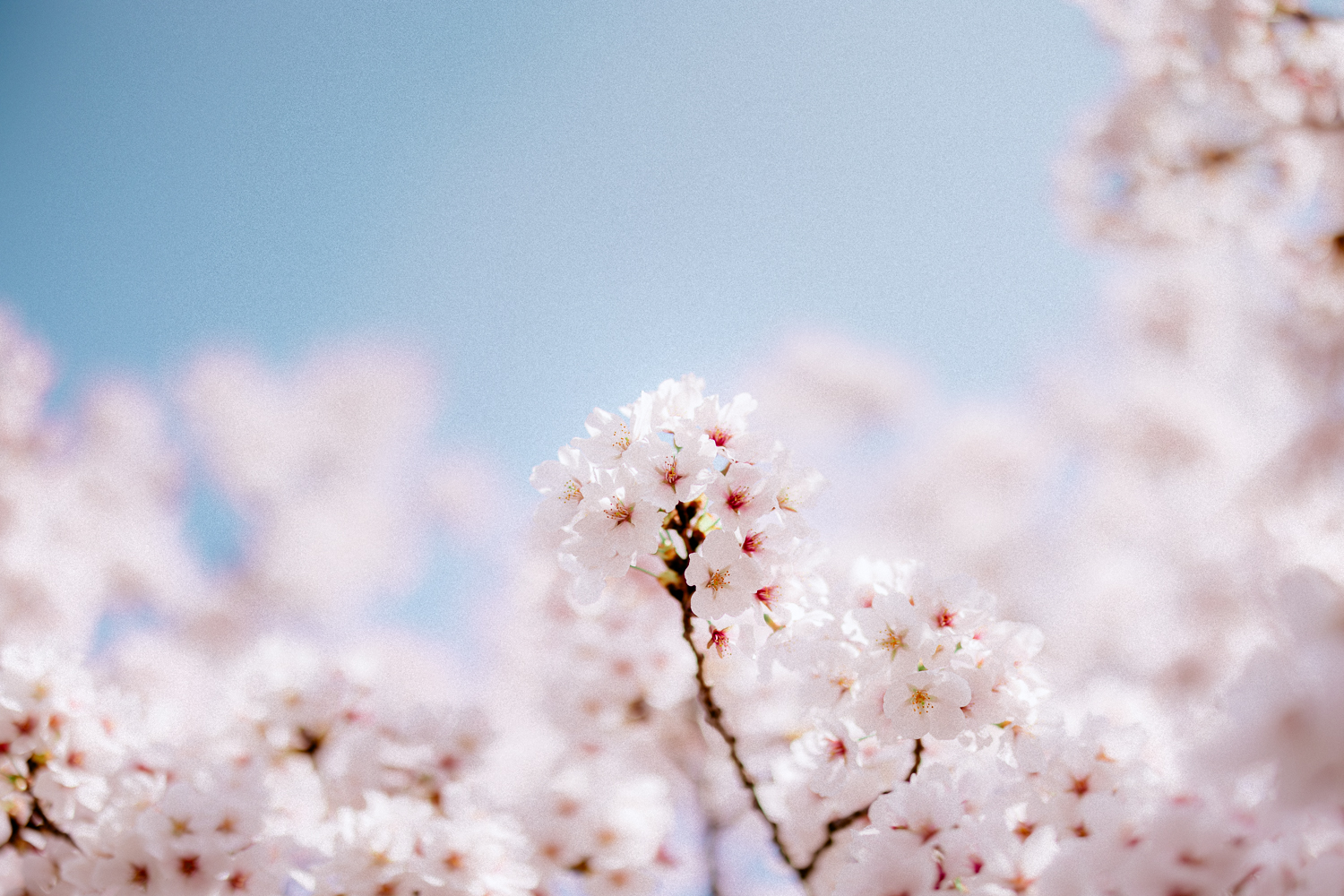 Print available for purchase.
View full image
Canon RF 50mm f/1.2 L
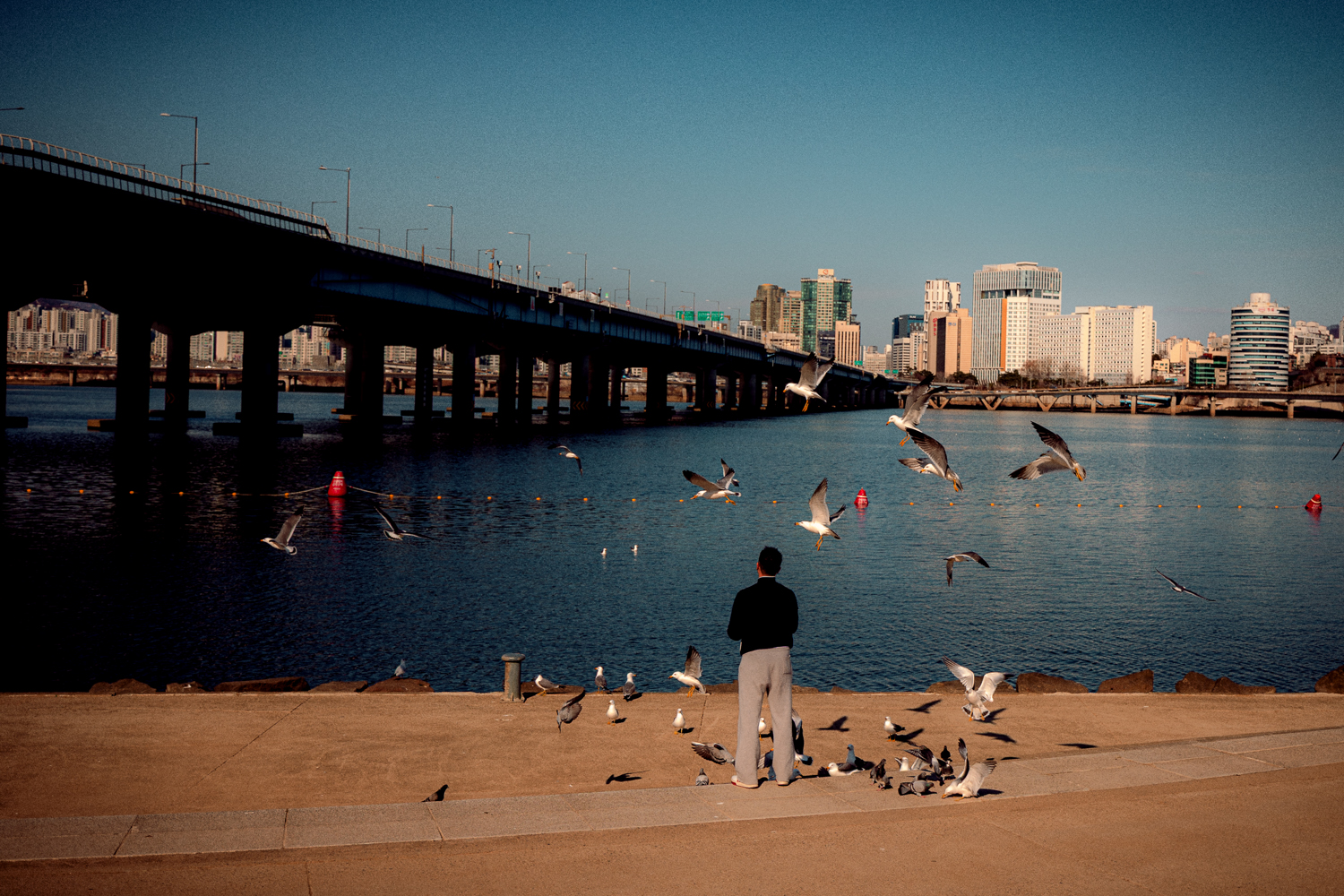
My favorite lens. It handles beautifully on the Canon EOS R5, and the image quality is absolutely stellar. 50mm is also a very versatile focal length that works well for all kinds of photography.
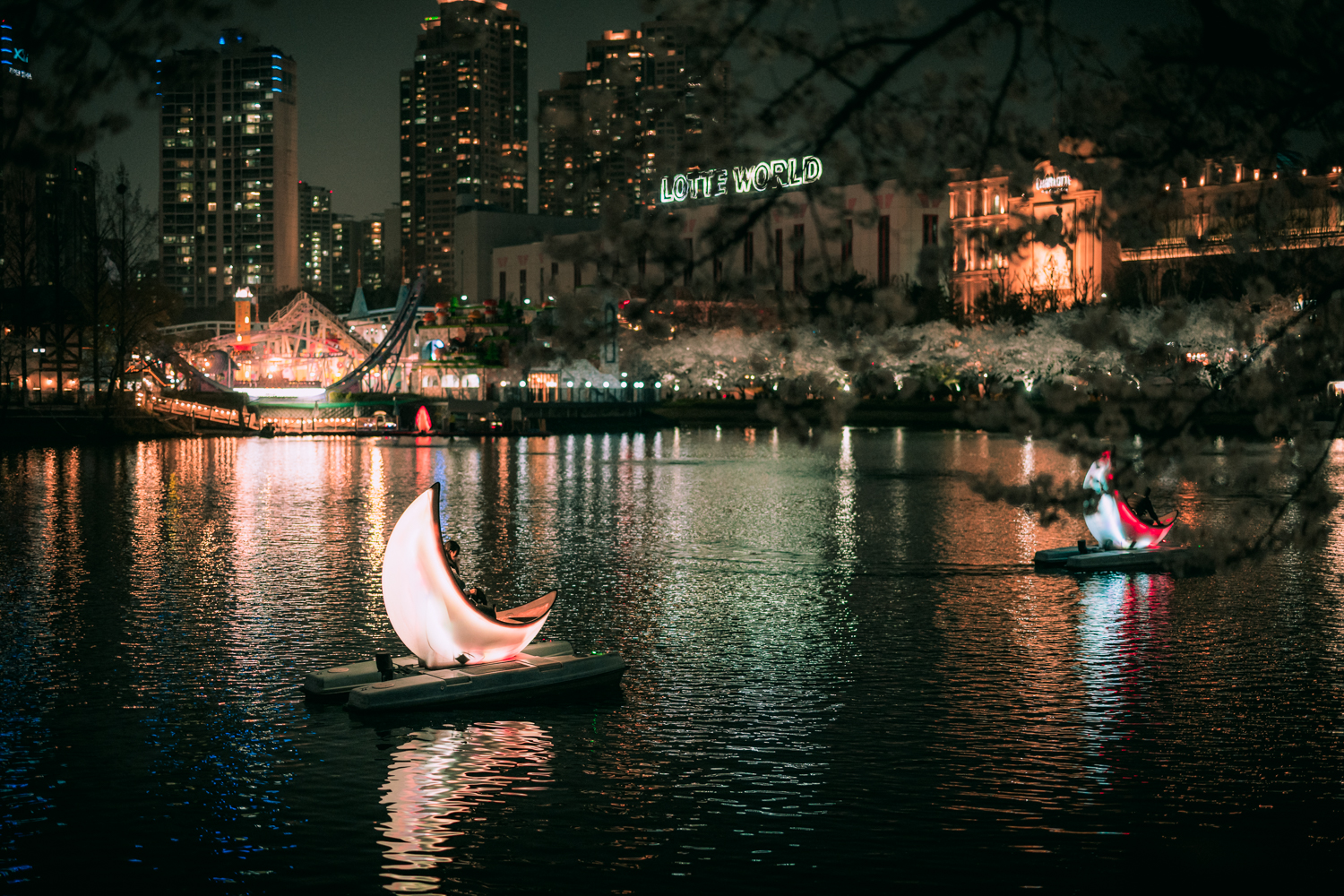
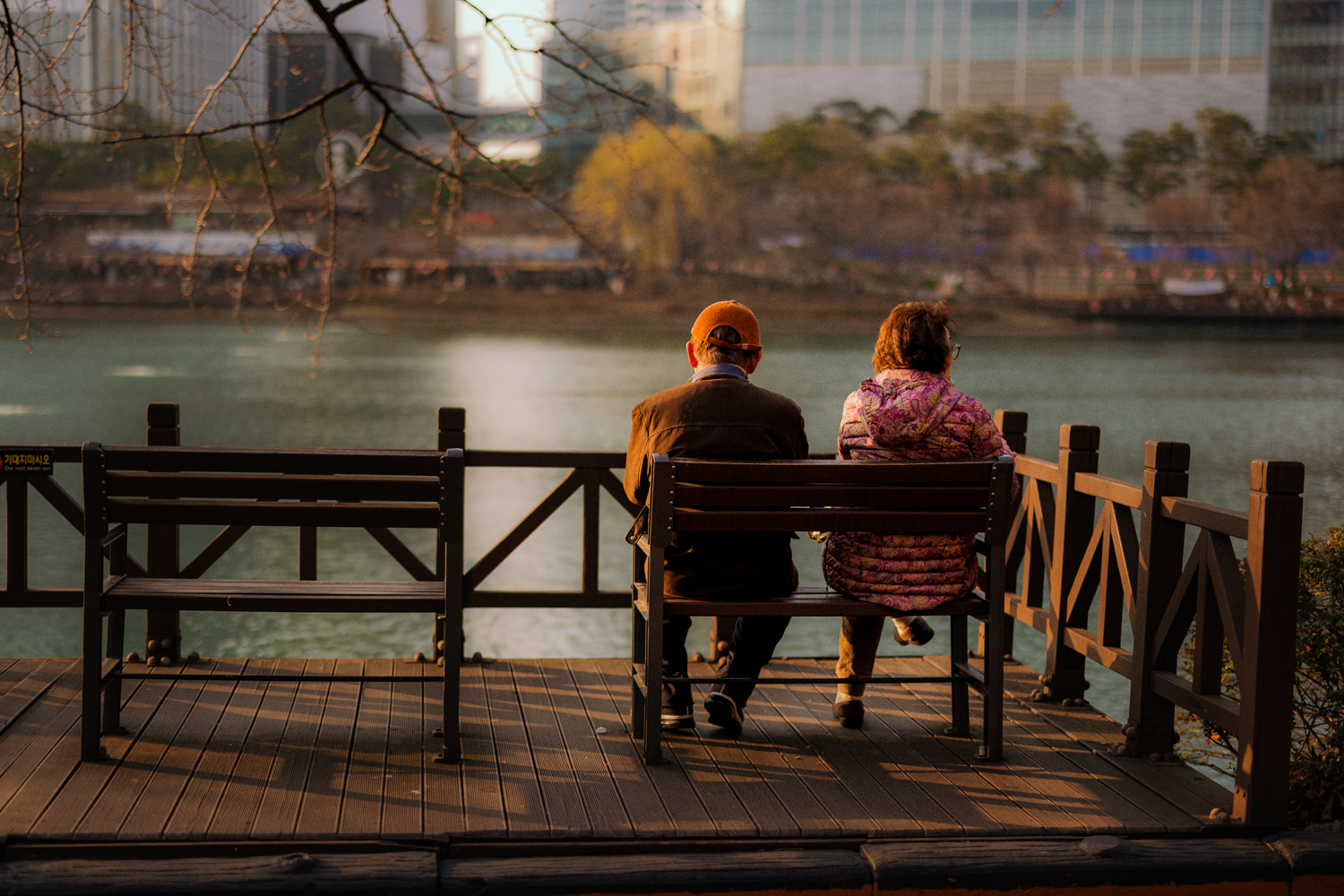
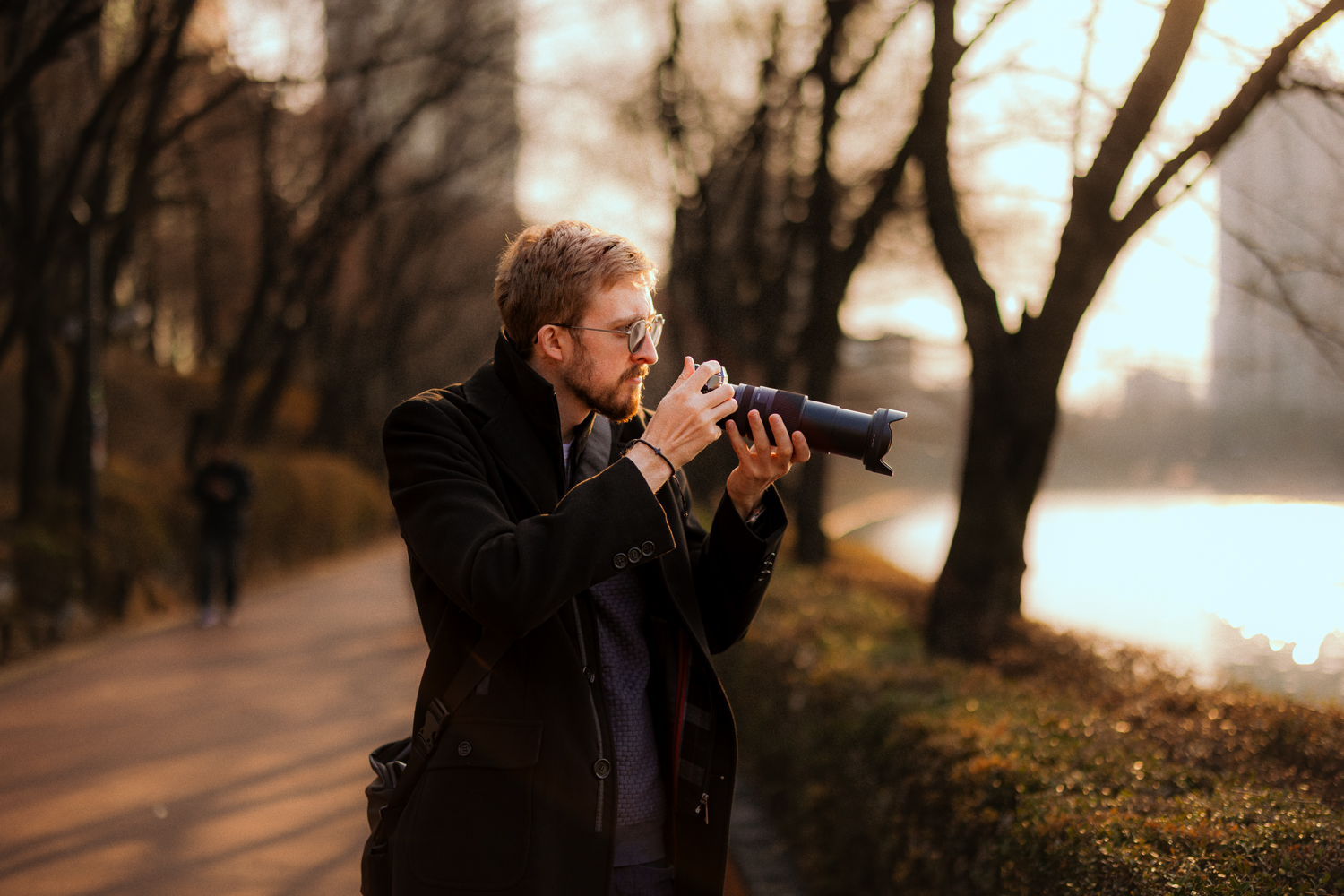
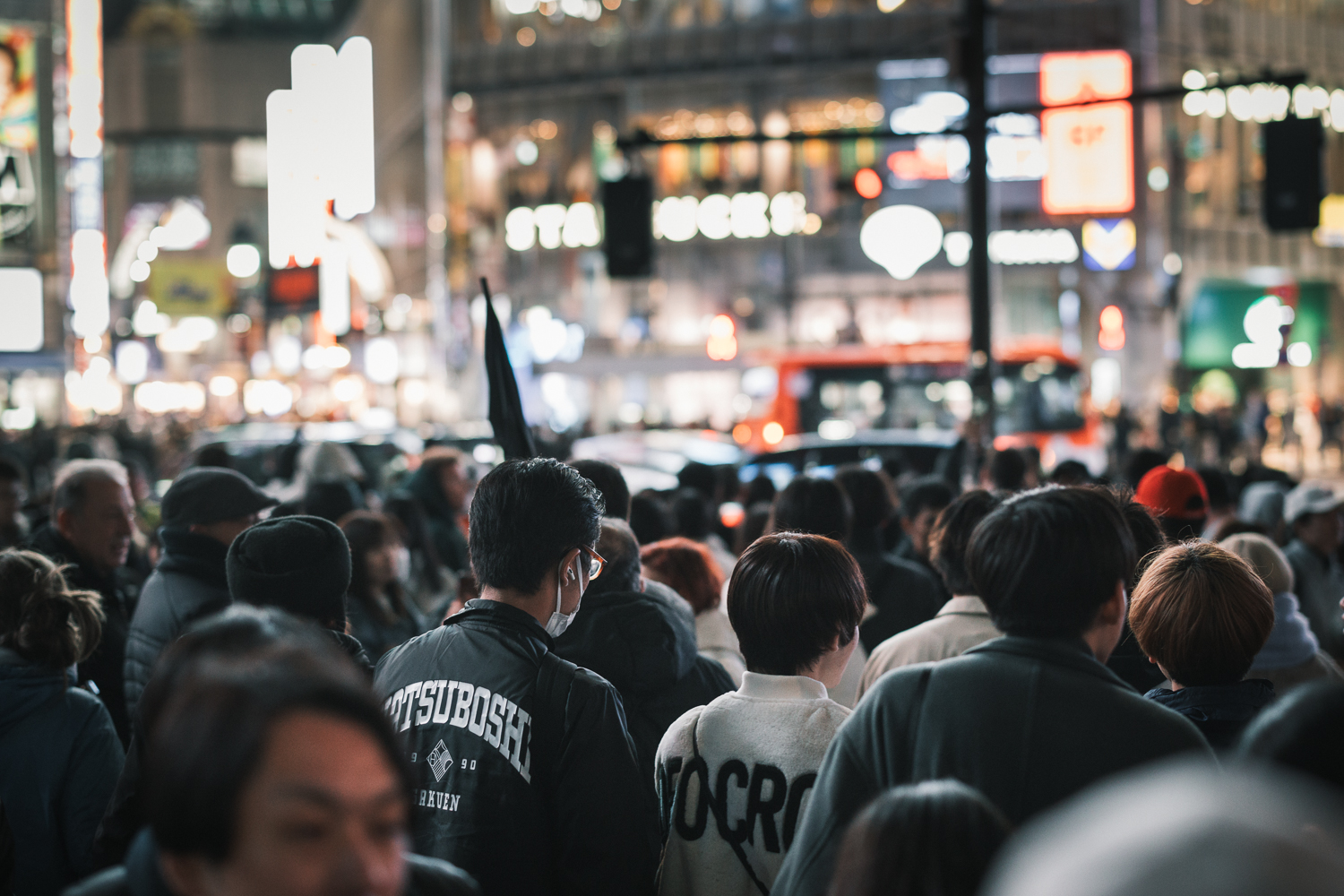
The Canon RF 50mm f/1.2 L is probably the perfect companion if you want to head out with just one lens. Well, as long as you don’t mind zooming with your feet, that is! The 50mm focal length is incredibly versatile and works for everything from street photography and portraits to smaller details and everyday travel shots.
It’s plenty sharp from the get-go and, as is the case with most lenses, gets even better as you stop it down a little. To be completely honest, though, I don’t actually shoot at f/1.2 all that often. Most of the time I’ll use f/1.4 or f/1.8 unless I really need the extra light or want as much subject separation as possible.
The autofocus generally is very good and fast, but at f/1.2 the depth of field can be extremely shallow. Even a small movement from either you or your subject can be enough to throw the focus slightly off. That isn’t really a problem with the lens itself, but simply something that comes with shooting at such a wide aperture. There are some times in darkness where the autofocus seems to hunt a bit. Once it catches on though it sticks.
This is my default lens and I’d say it’s on my camera about 80% of the time. I really like the balance that 50mm gives me: it’s wide enough that I rarely feel too restricted while walking around a city, but still gives me enough compression and subject separation for portraits and detail shots.
The high-resolution sensor of the Canon EOS R5 also works really well together with it. I have plenty of room to crop into an image when I need a little more reach, which makes the fixed focal length much less limiting than it might initially seem.
And, of course, one of the main reasons to buy an f/1.2 lens in the first place is the way it renders out-of-focus areas. The shallow depth of field can give images a very distinct look, especially for portraits or when shooting at night with lots of lights in the background. Even though I don’t constantly use it wide open, it’s nice to have that option when I want it.
 Print available for purchase.
View full image
Canon RF 15–35mm f/2.8 L
This is what I use when I need a wider angle. It’s a great lens for tighter spaces and architectural photography. Image quality is excellent, and the IS helps a lot when shooting handheld in lower light.
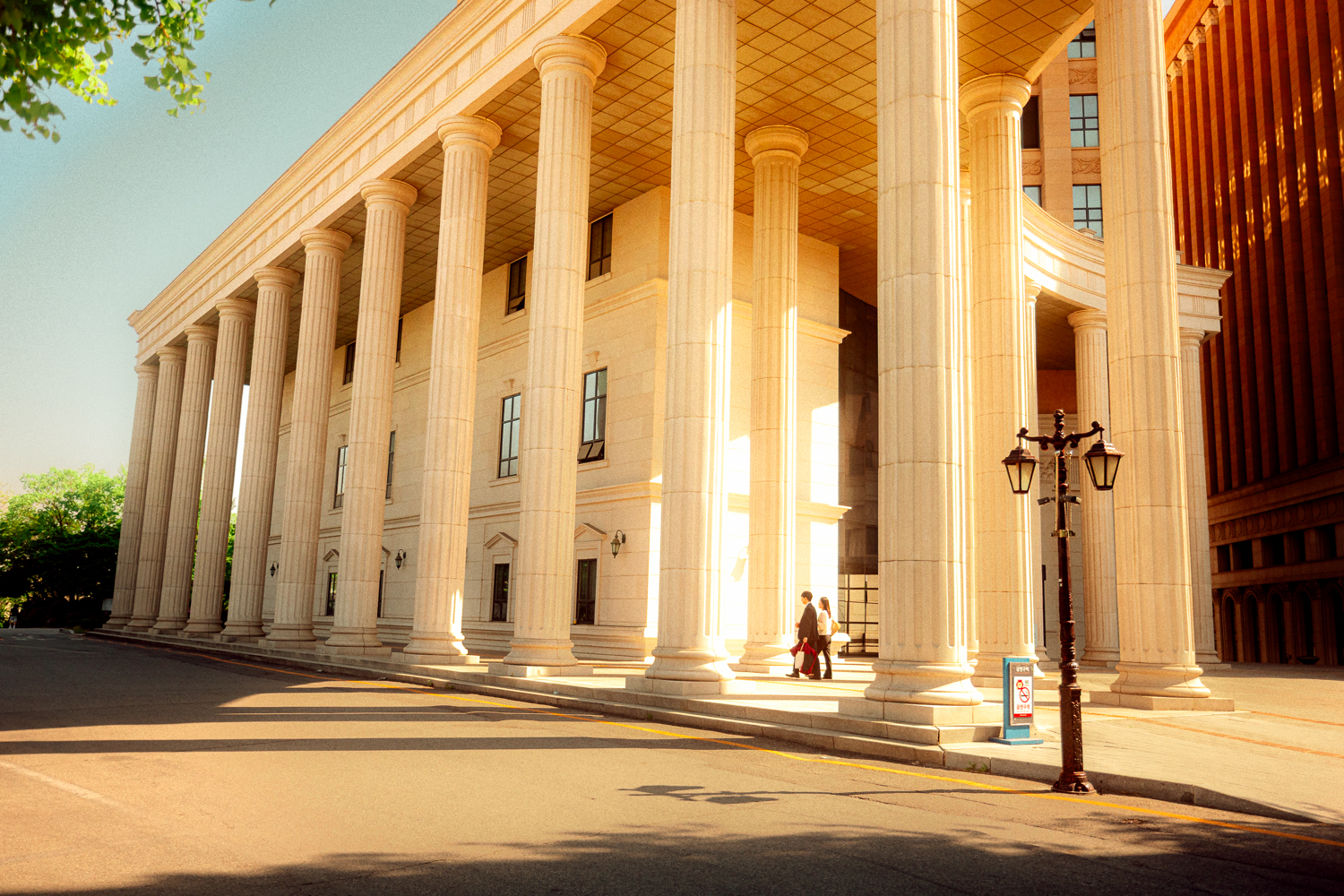
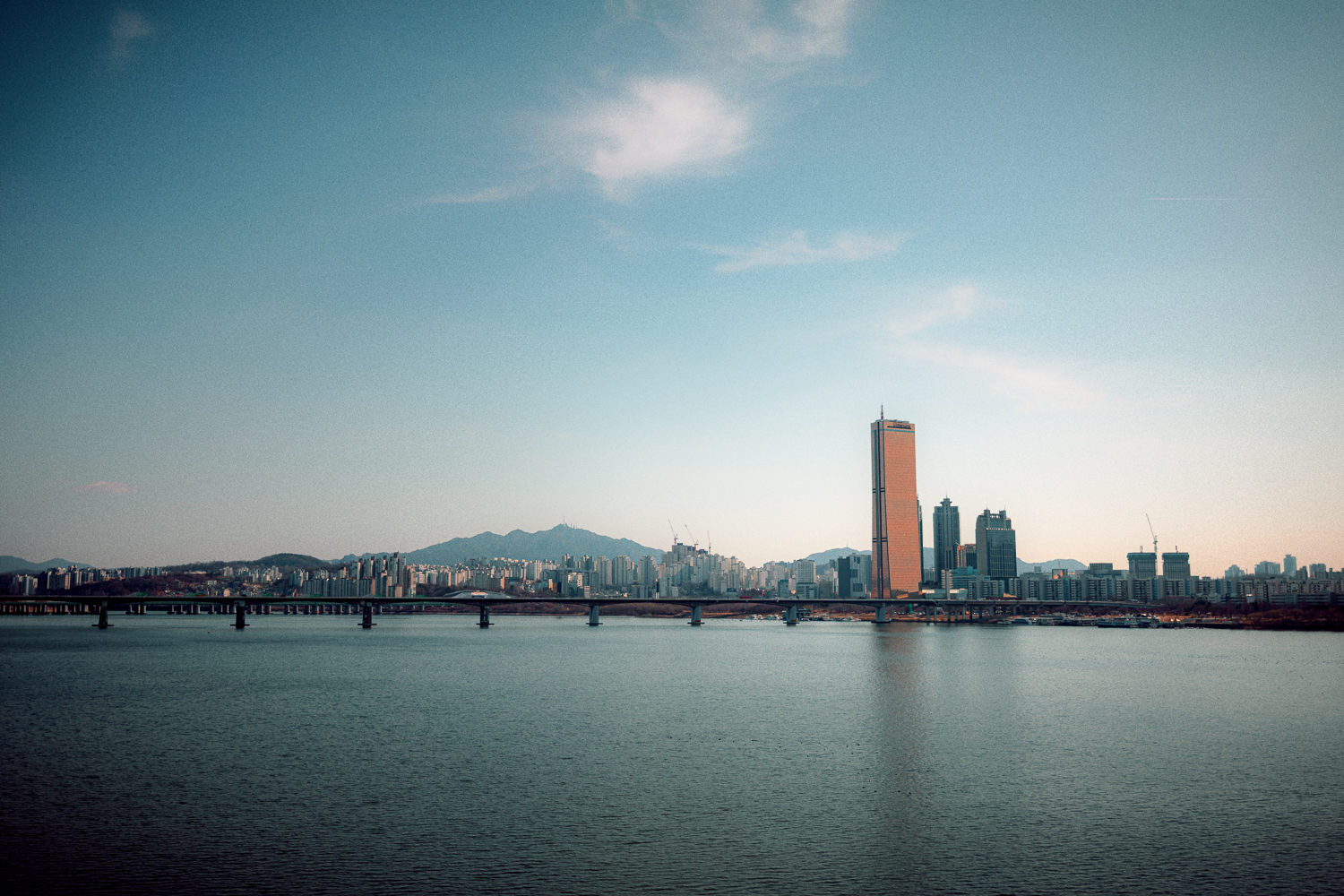
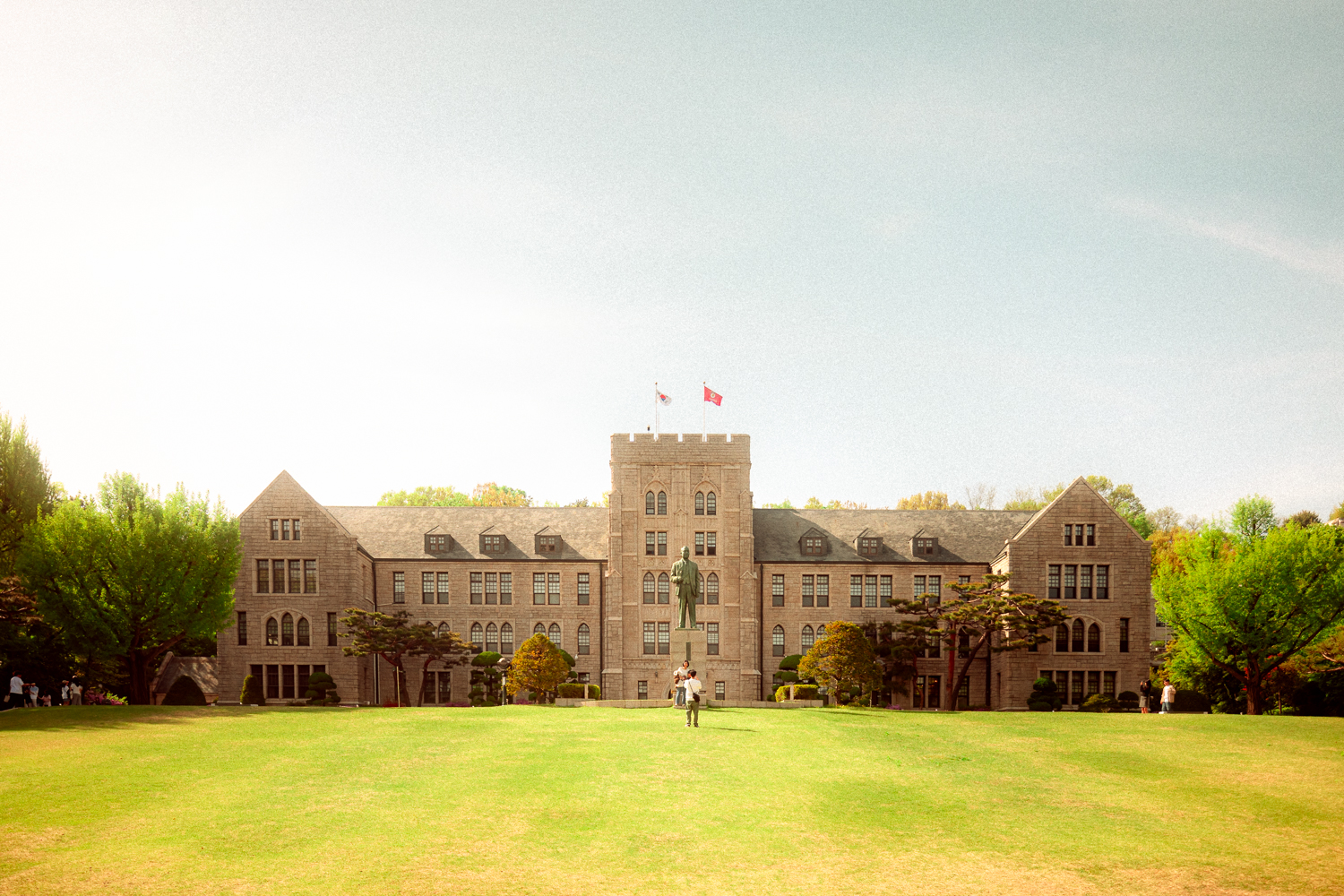
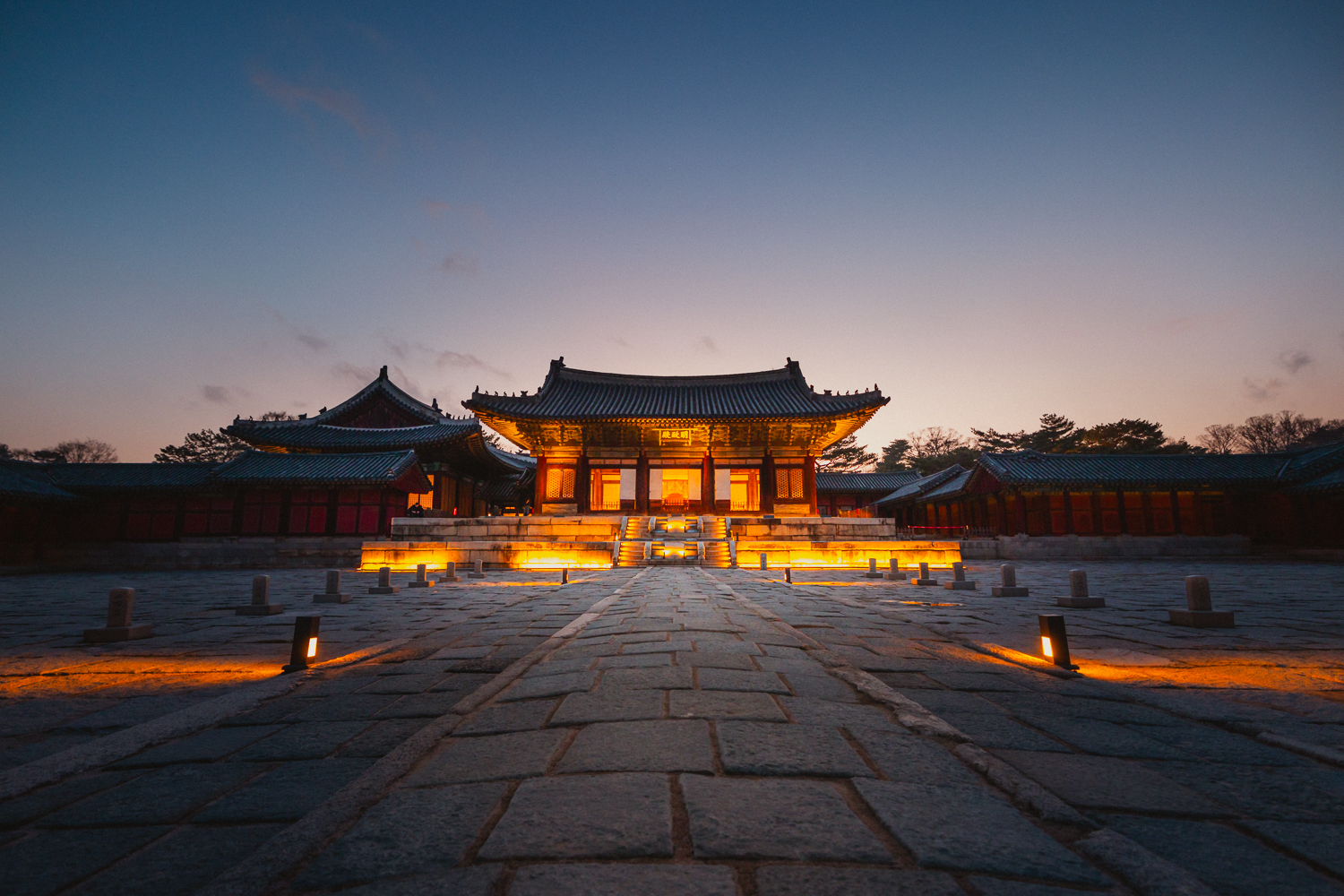
The Canon RF 15–35mm f/2.8 L is my go-to lens whenever 50mm simply feels too tight. It’s especially useful for architectural photography, interiors, narrow streets, or any situation where I want to fit more into the frame but don’t have the freedom to move around.
At the longer end, 35mm at f/2.8 can still give you some decent subject separation, especially when you get fairly close to your subject. Of course, it won’t compete with something like an f/1.4 or f/1.8 prime, but that’s not really what this lens is about. What it gives up in aperture, it more than makes up for in versatility thanks to the zoom range.
Image quality is excellent, and the image stabilization works very well for photography. Vignetting and distortion can become fairly noticeable towards the wide end, but most of that can be corrected in post if you want a cleaner image. Personally, I sometimes like to keep some of it because it can add to the exaggerated, slightly dramatic look that makes wide-angle photography so much fun. Autofocus is also fast and reliable, so there’s very little to complain about in everyday use.
I particularly like using this lens in smaller alleys and tighter spaces because the wide perspective can make the surroundings feel surprisingly grand. Large buildings are often difficult to capture in a way that really shows their scale, but this lens makes that much easier. It’s obviously no tilt-shift lens, though, so if you want perfectly straight vertical lines, you need to pay attention to your camera angle and shoot with some perspective correction in mind for editing later.
It’s also one of my favourite lenses for long-exposure photography at night. The wide field of view works really well for city scenes, light trails, and architectural shots where I want to include more of the environment rather than focusing on a single subject.
I probably use this lens about as much as my 70–200mm. Most of the time I switch to it when I have a specific use case in mind, but every now and then I also like to spend an entire day using just one particular lens. It forces me to adapt the way I compose my photos and keeps me from always falling back on the focal lengths I’m most comfortable with.
Wide-angle photography in particular can be quite unforgiving because everything inside the frame suddenly matters. It’s easy to include too much, so composition becomes even more important. I’m still learning how to use this lens to its full potential, but that’s also part of what makes it so enjoyable to shoot with.
 View full image
Canon RF 70–200mm f/2.8 L
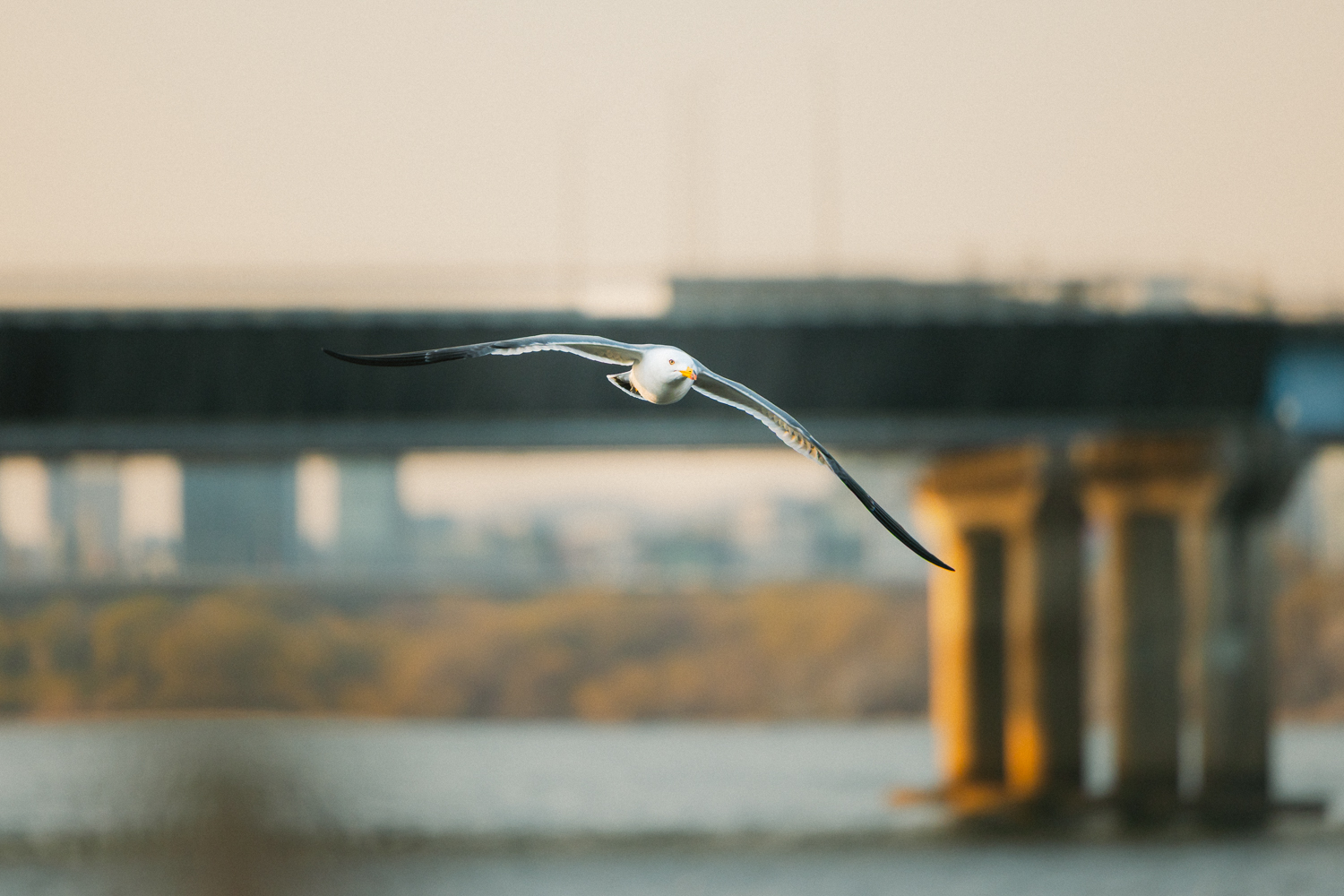
This zoom lens covers the other end of the spectrum. Whenever I need more reach, this is my pick. It’s usually the lens I reach for when photographing animals or insects. Just like the others, the image quality is excellent.
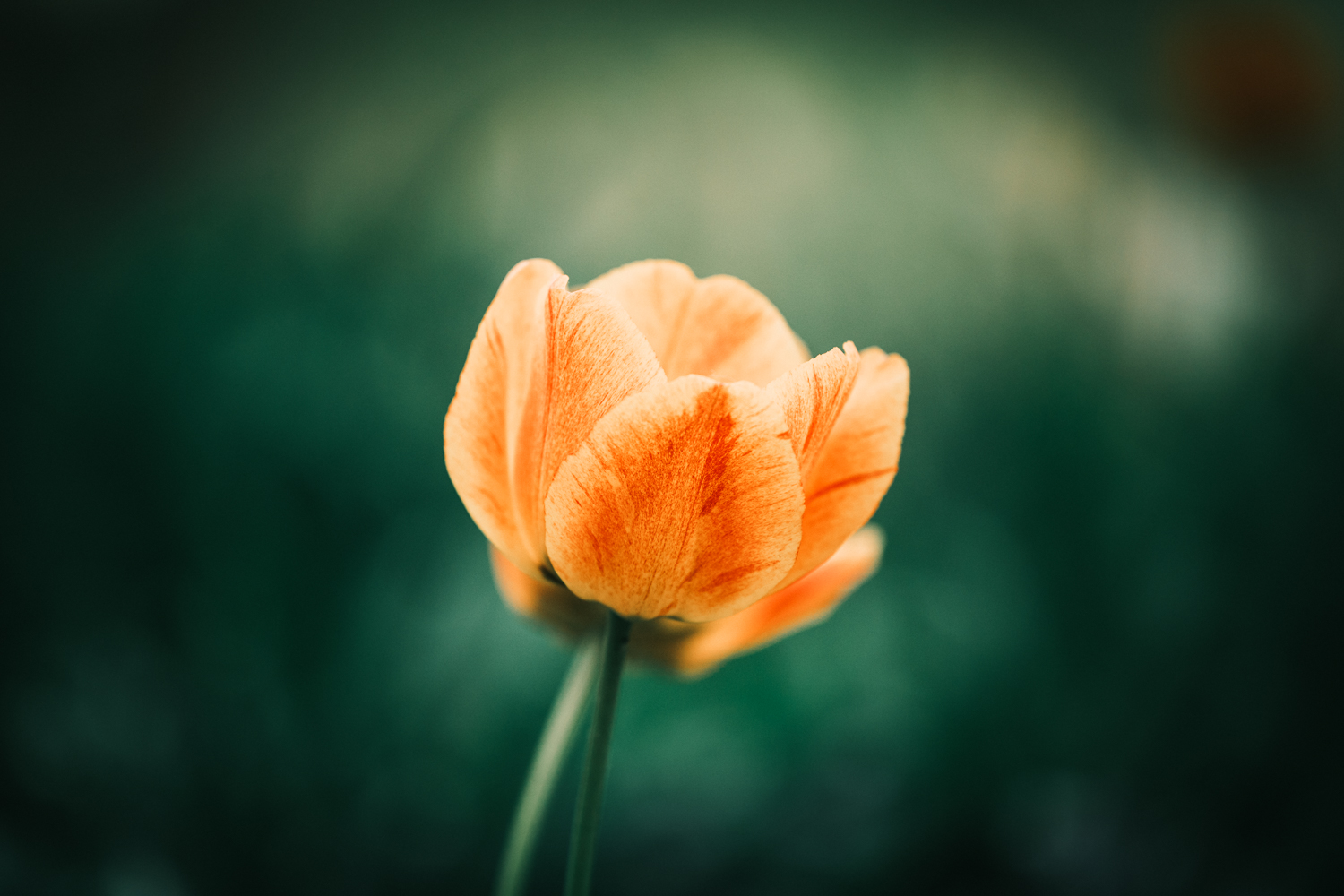
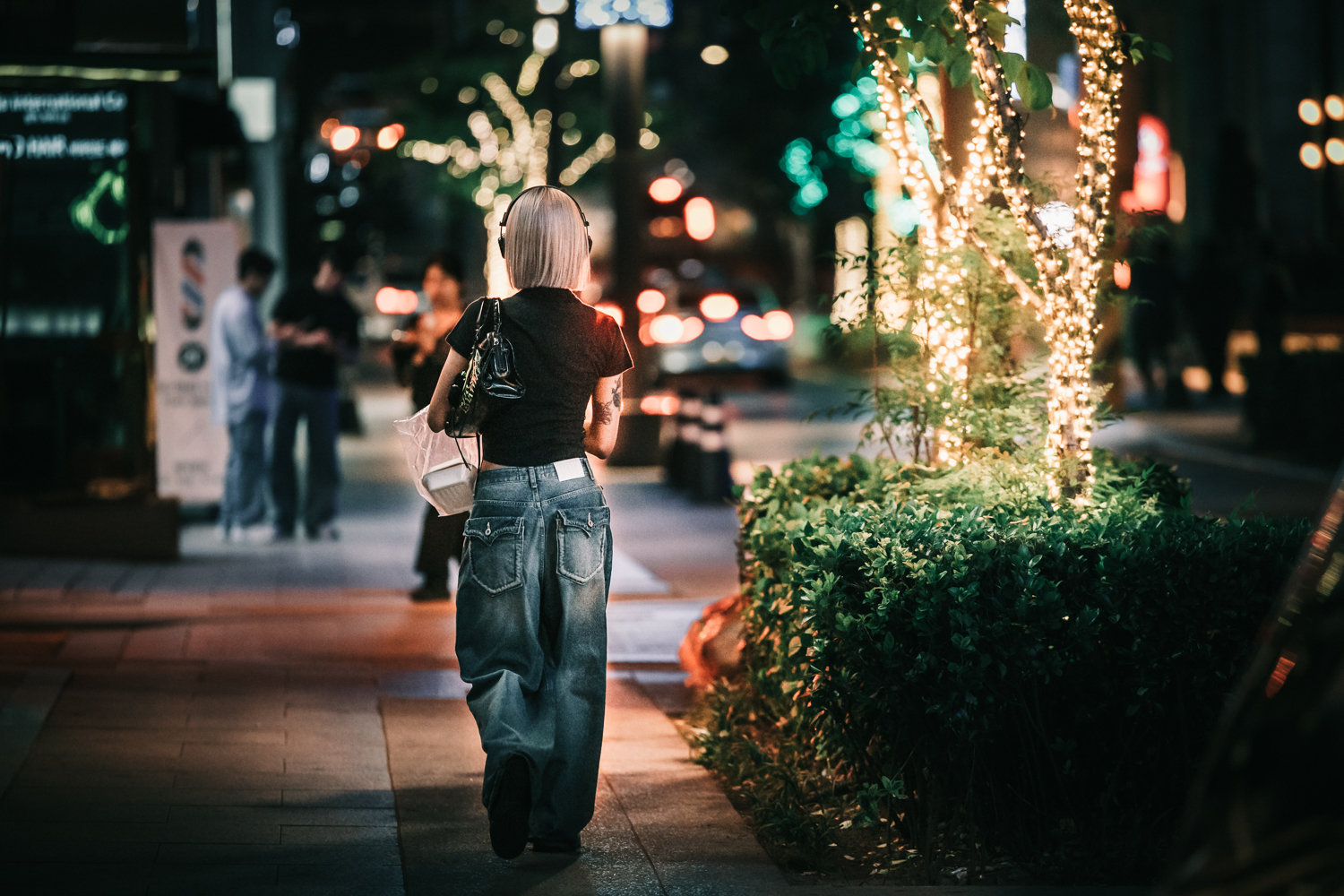
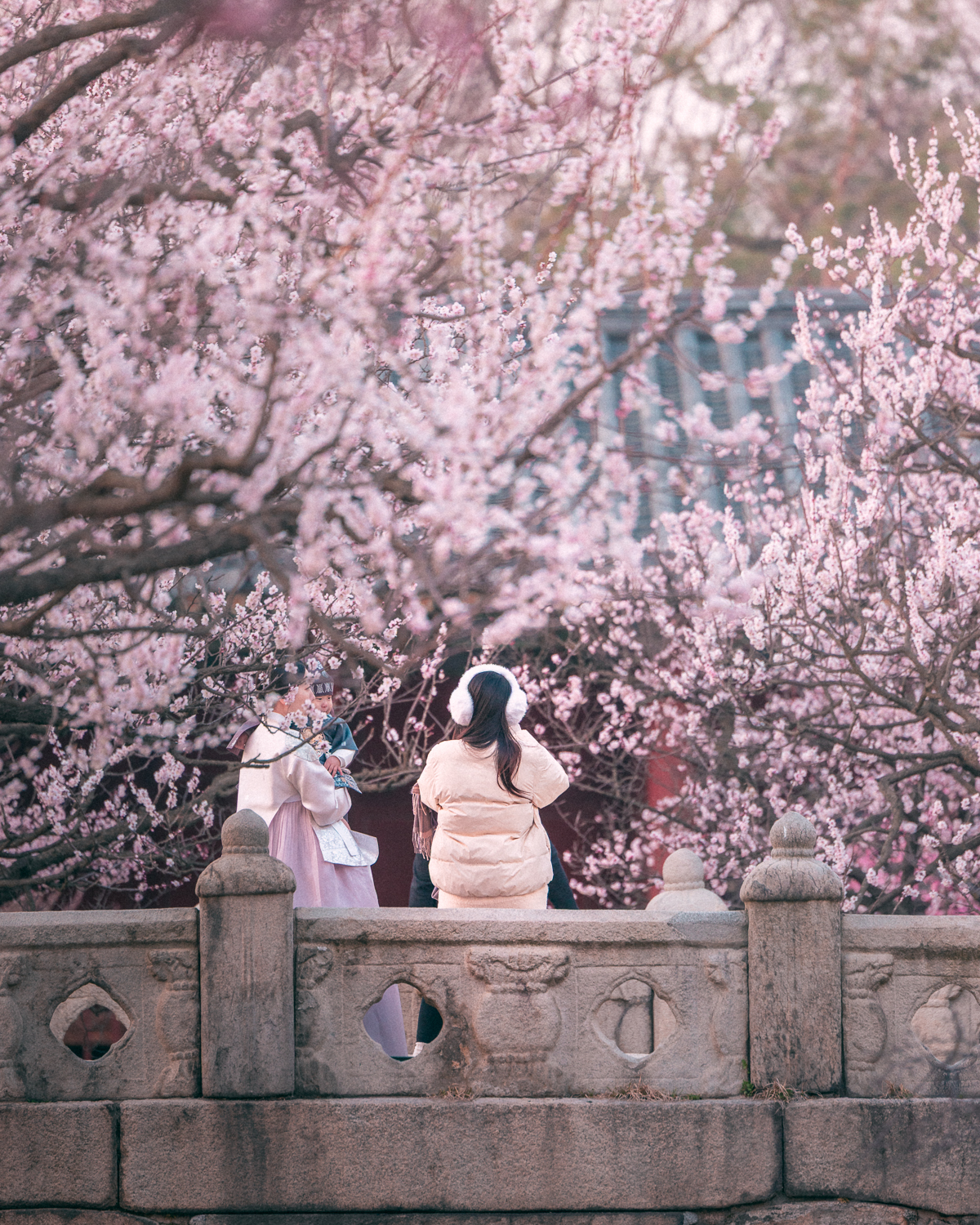
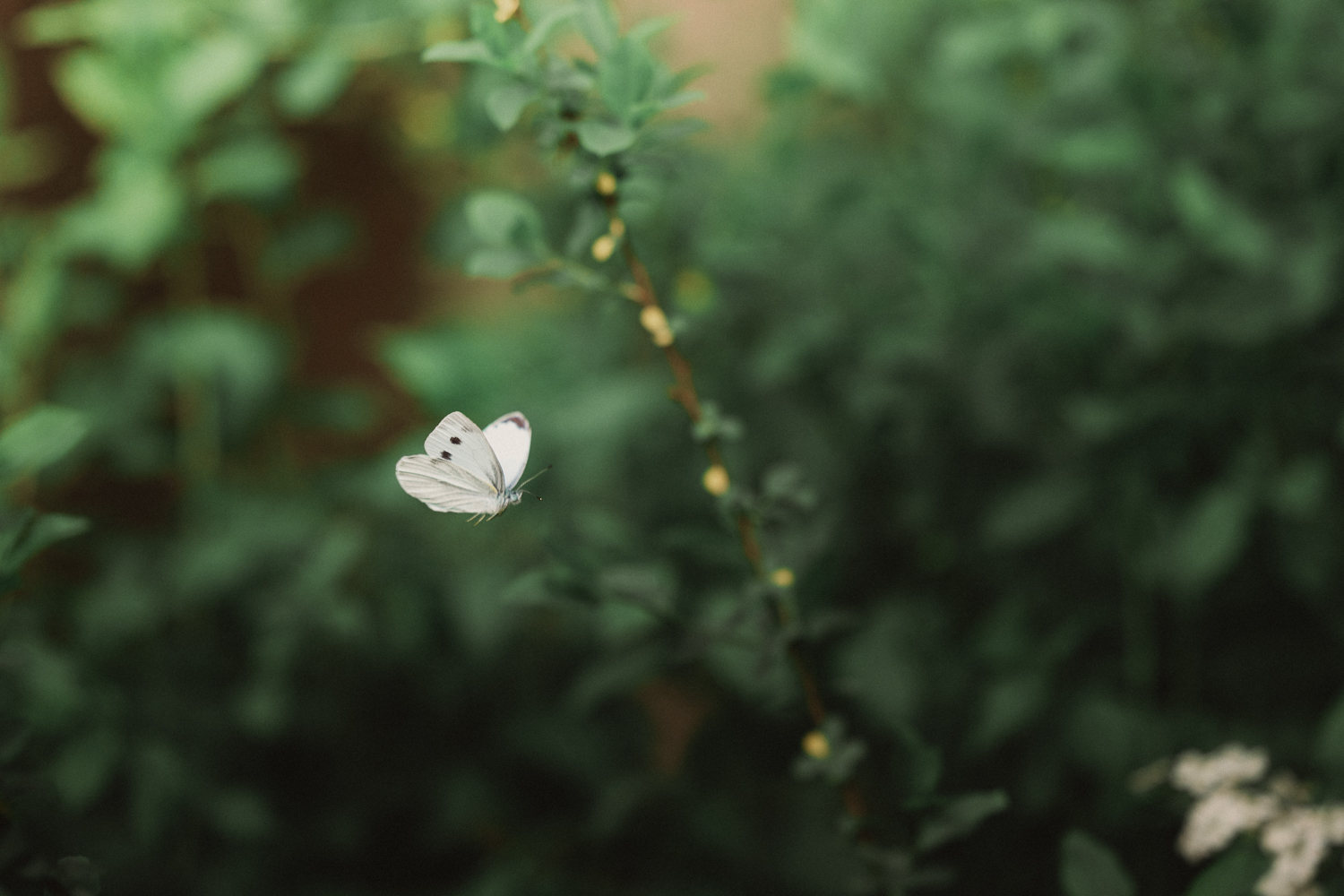
The Canon RF 70–200mm f/2.8 L is the lens I reach for whenever I need a bit more distance between myself and my subject. I especially like using it for animals that I simply can’t get close enough to with my 50mm. Birds flying through the sky, for example, or animals hunting and moving through streams and rivers. It’s also a great lens to bring to a zoo or wildlife park.
At the long end, the compression combined with the strong subject separation you can get at 200mm f/2.8 also makes it a great portrait lens. You do need a bit more space to use it effectively, though, so small rooms and narrow alleys usually aren’t the best places for it.
Good light also becomes a little more important. The image stabilization works very well, but compared to something like the 15–35mm, you still have to be more careful with your shutter speed because of the longer focal length. And when photographing animals or other moving subjects, stabilization can only help so much anyway—you still need a fast enough shutter speed to freeze the movement.
One thing I really like about the RF version is its much smaller footprint compared to the old EF version, which I owned before. If you’re coming from that lens, however, there is one thing you might have to get used to: the RF version extends as you zoom. The old EF lens uses an internal zoom mechanism, meaning the physical length of the lens never changes.
Personally, I prefer the more compact size of the RF version over the advantages of internal zooming. That being said, when I first switched over, I did occasionally bump the front of the lens into things, simply because I forgot that it would extend while zooming. Old habits die hard!
As with my other lenses, image quality is excellent. Compared to the wide-angle lens, this one lets me really isolate a subject and concentrate on smaller parts of a scene rather than showing everything around it. That makes it especially useful when the background is busy or when I want the viewer’s attention to go straight to one particular detail.
It can also work surprisingly well for close-up photography. It’s obviously not a true macro lens, but the long focal length and relatively close focusing distance can still give you some very nice results with flowers, insects, and other smaller subjects. That’s one of the reasons I’m usually quite comfortable leaving my dedicated macro lens at home when travelling.
Bringing it all Together
This is the kit I usually bring when travelling. It covers almost everything I need, fits into my backpack, and is still manageable enough to take on a plane. It’s definitely not a lightweight setup, and someone who wants to travel lighter would probably be better off with something like a 24–70mm f/2.8. I’m so used to carrying mine around, though, that I don’t really mind the extra weight anymore, even when hiking.
Overall, I’m very happy with this setup. The next lens I’m looking at is a fast 35mm prime, particularly the Venus Laowa Argus 35mm f/0.95. It’s manual focus only, but since I’ve wanted to practice that anyway, it seems like a fun addition to the kit.
Enjoyed this post?
Support my photography and stories with a coffee.
You might also like
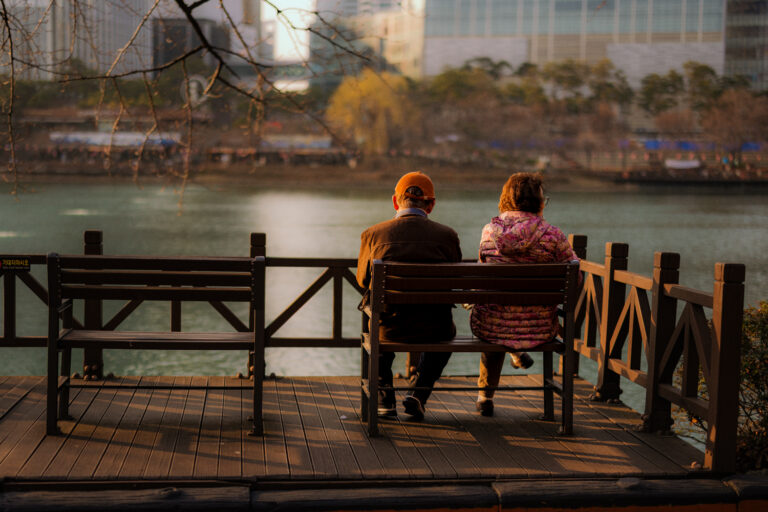
Seoul through a 50mm lens.
Let me give you an overview of what my favorite city looks like through my favorite lens.