Korea’s Café Culture
A small peek into the culture around Cafés in Korea
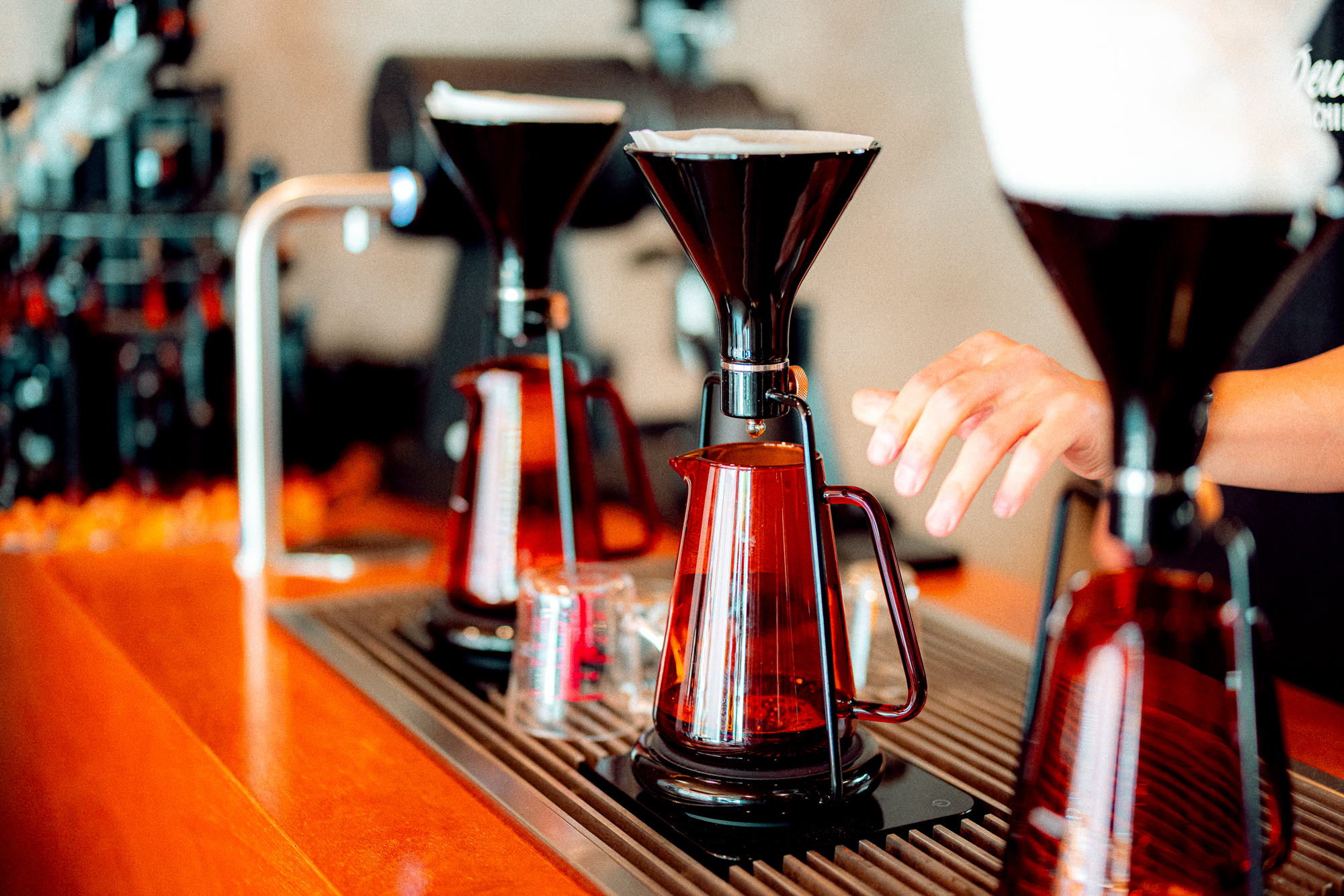
Let’s talk cafés! Every time I’m in Seoul, I go on a little journey to find new ones. It’s one of my favorite ways to pass the time, and because cafés are everywhere, you can combine it with pretty much any other plan you might have while visiting one of the bigger cities.
Coffee and café culture are a big part of everyday life for a lot of people in Korea. Whether it’s a quick pick-me-up during a lunch break or a piece of cake with a nice vanilla latte together with a friend in the evening, there always seems to be a reason to stop by a café.
Personally, I had no idea how big café culture actually was in Korea before I went. I live in a small city in Germany, and we don’t really have many “real” cafés here. It’s mostly bakeries that can make you a cappuccino with one of those fully automated machines. There isn’t much novelty or variety. So when I first went to Seoul, I was pretty much overwhelmed by all the choices. But in a good way! Thanks to my trips to South Korea, I’ve found a new appreciation for coffee and other similar drinks.
To understand that sentiment a little better, let’s start with my history with coffee.
 View full image
Storytime
A small paragraph about my personal history with coffee. Don’t have time? You can probably skip this. Not interested? Get interested first, then read it. You may not skip past it!
My history with coffee starts when I was 13 years old. I was in 6th grade when my english teacher asked me if I was feeling okay during class. I was feeling fine but apparently I was really pale. He said he noticed it a few times already and suggest going to the doctor to have it checked out. I went home, told it to my mother and we got an appointment. Turns out I had a problem with low blood pressure. Rather than prescribing medicine our doctor made a different suggestion.
Have your son drink a cup of coffee or a glass of champagne in the morning. That will fix the issue.
Our doctor
Obviously, champagne was out of the question in my mother’s eyes. I’m sure that would have caused a whole different kind of problem as well, so probably a good decision right there.
But for 13-year-old me, that cup of coffee was something I dreaded every morning. I tried it black once and… it wasn’t pleasant. In the end, I loaded my coffee with so much milk and sugar that there was barely any coffee taste left. It did fix the problem with my blood pressure, but it also made me not want to drink coffee anymore once I stopped in 8th grade.
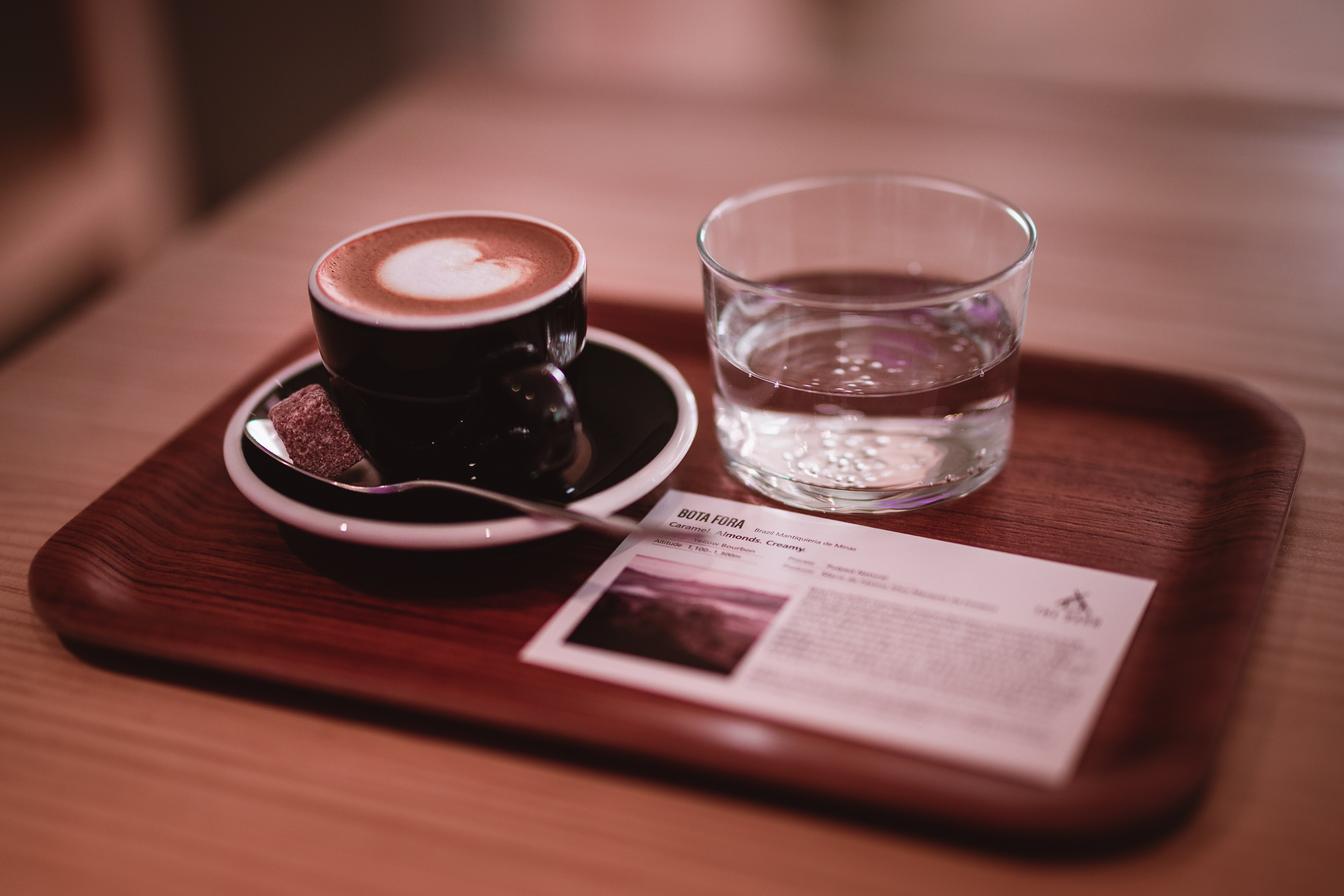
Fast forward to my apprenticeship. We had a nice coffee machine and decent beans, so the latte macchiato was actually really good. Even without a lot of sugar! That was my reintroduction to coffee. I would only drink it at the office, though. While I enjoyed it there, I never really thought it was worth making at home or buying while I was out. But when I went to Korea and had my first caramel macchiato, that changed quite a bit. I started trying all kinds of drinks, some because friends recommended them and others simply because I thought they sounded good.
Coming back to Germany meant that all those cafés were suddenly out of reach. So I started experimenting at home and making different coffee drinks myself. By now, I’m quite confident that I can make a pretty good matcha latte, caramel macchiato, and vanilla latte!
 View full image
Back to Korea
Now that you know a bit about my history with coffee, let’s head back to Seoul and talk about the role cafés play there.
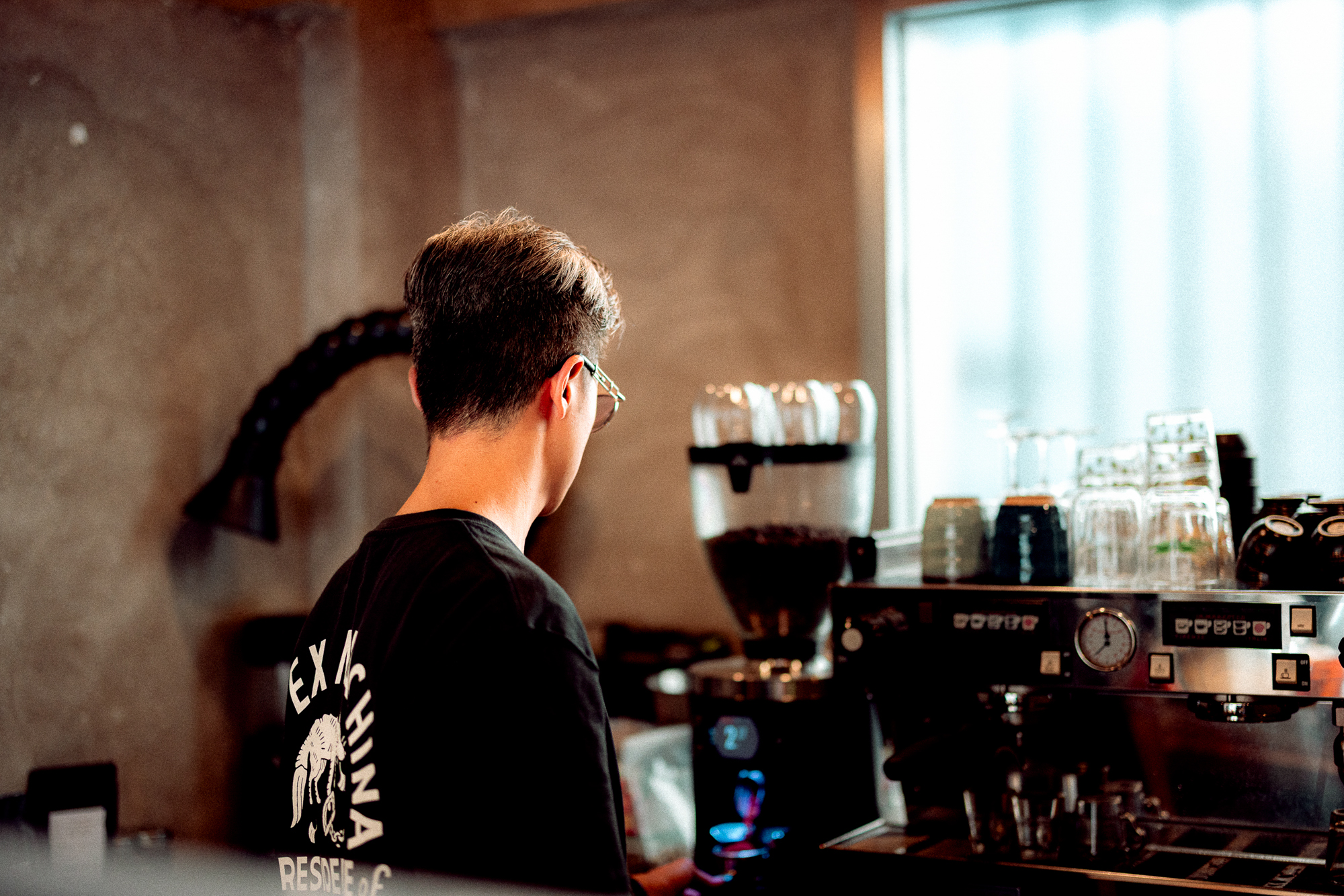
Cafés play a pretty big role in everyday life in Korea. Especially for people who go there to sit down and enjoy a cup of their favorite drink, they can be a place to slow down. A place to leave behind the fast-paced nature of everyday life for just a moment. Meeting up with friends after work to wind down, have a cup of coffee, and enjoy a nice dessert is pretty common.
But obviously, not everyone treats cafés that way. They’re also a place for students to get out of the house and study in peace. Some meet up late at night in a 24-hour café to prepare group projects. Coworkers go there to talk about work and prepare presentations. I’ve also seen freelancers using cafés as their office, even hosting one-on-one language classes.
I’ve really grown to enjoy cafés as well, and I use them for all kinds of things myself. Sometimes I’ll go there in the morning to have a drink while writing my HelloTalk entry. Other times, I’ll go in the evening to edit some of the photos I took that day. Or I’ll meet up with a friend to talk and hang out. They’re also a great and comfortable place to meet someone for a language exchange.
As you can see, cafés are used by all kinds of people and for all kinds of reasons. That’s probably part of why the demand for them is so high. There are literally thousands of cafés in Seoul, and they come in all kinds!
 View full image
All kinds of Cafés
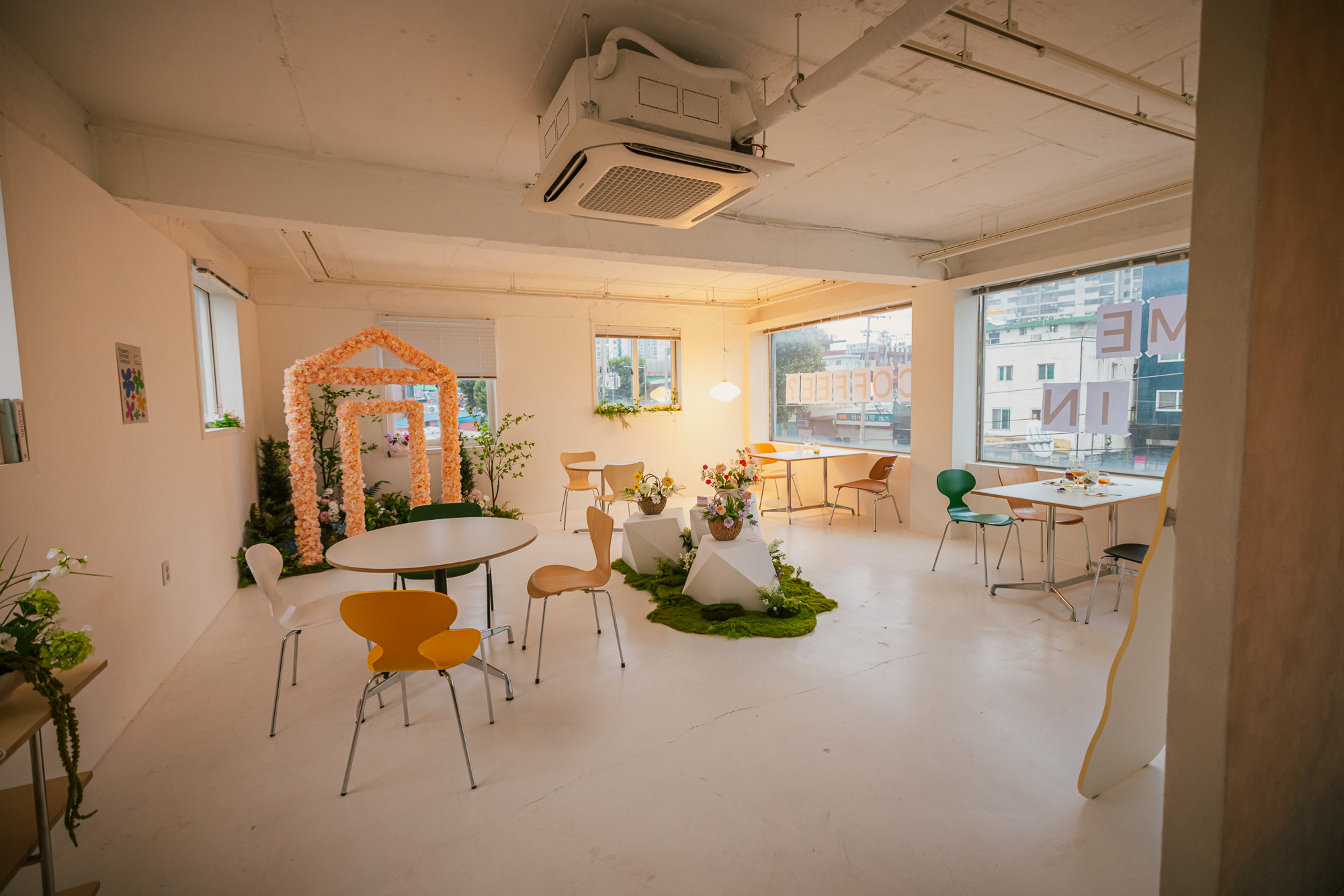
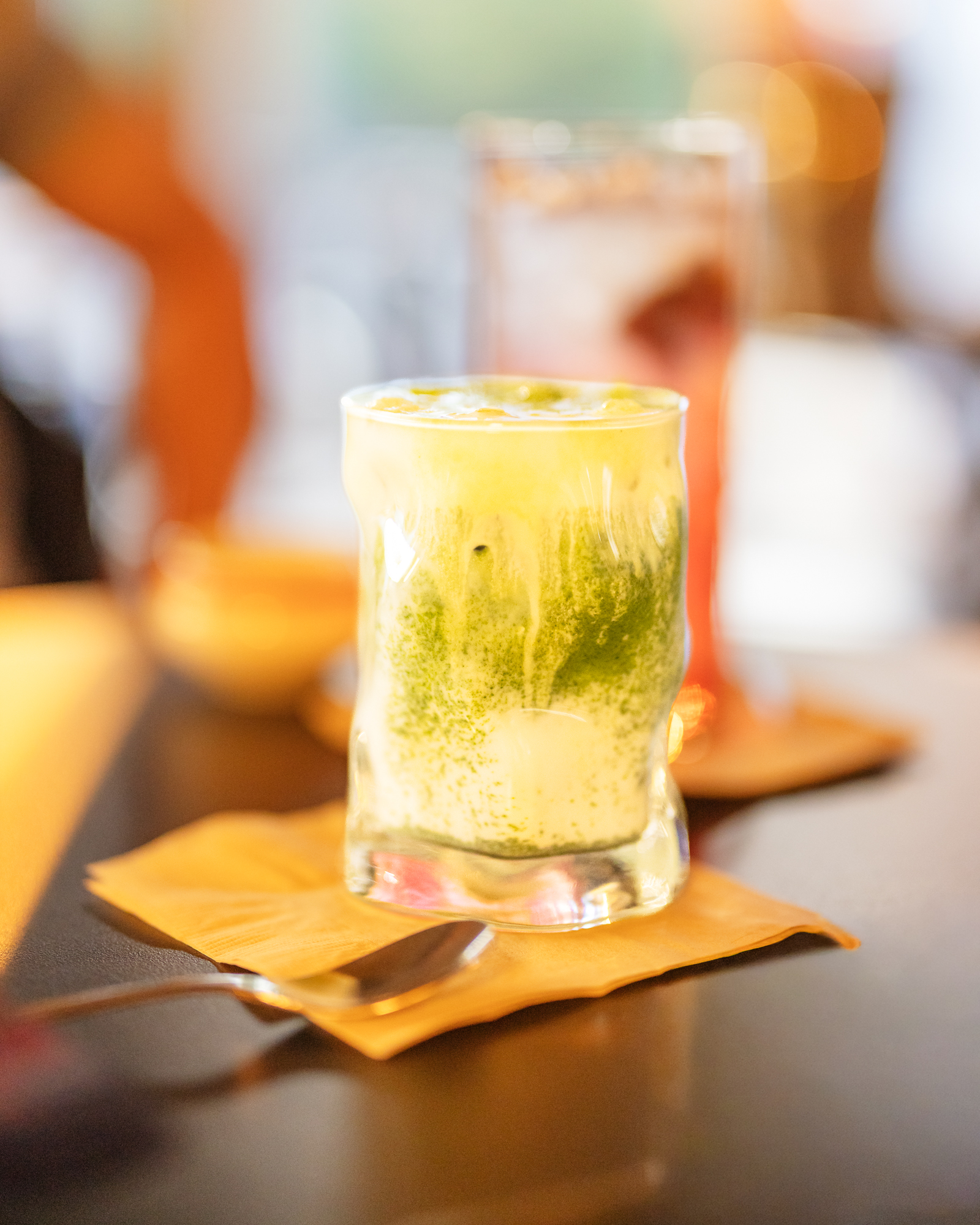
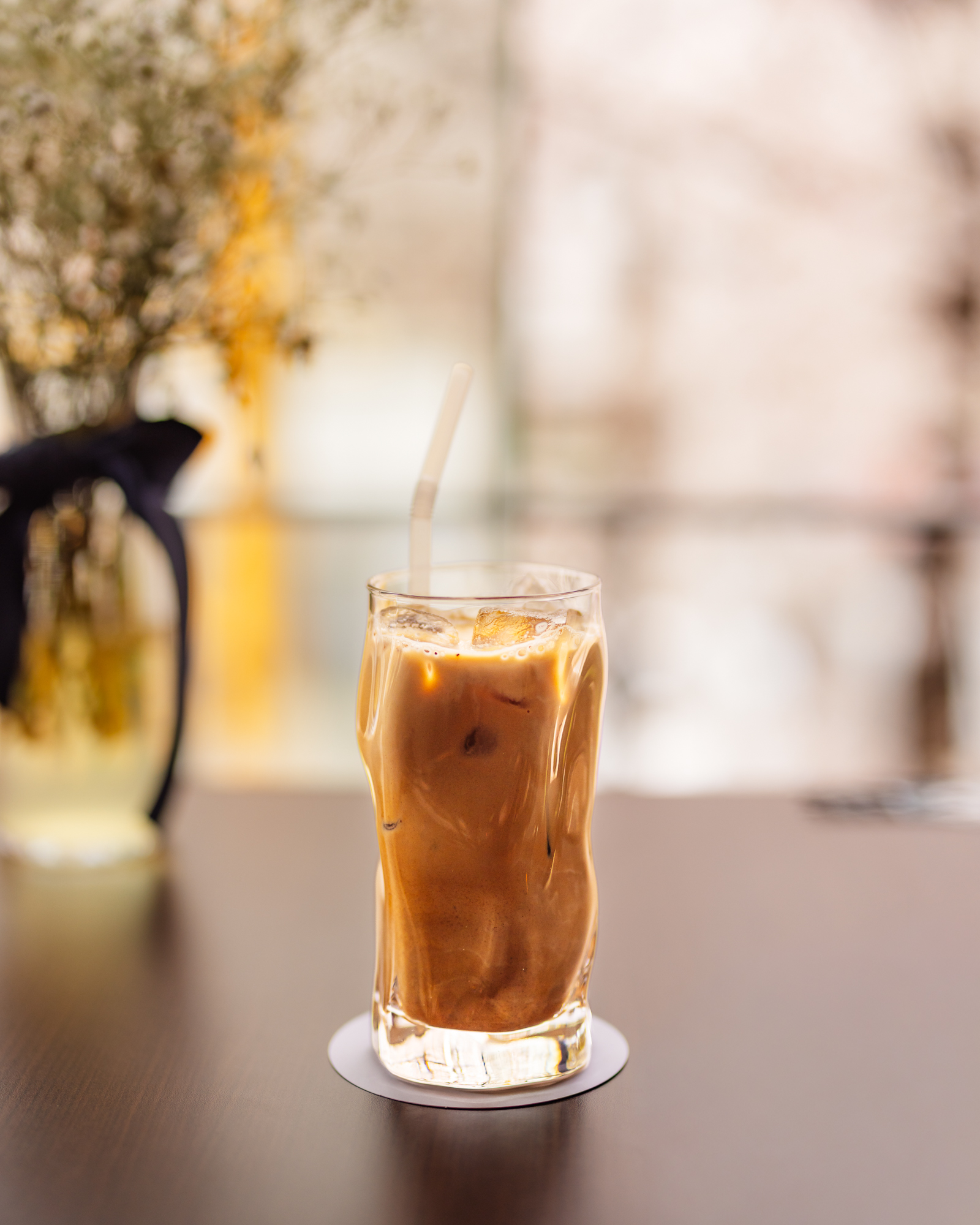
You can find all kinds of different cafés in Korea. They range from manga and book cafés to places where you can take a perfume class, and even fishing cafés. So even if you’re not really into coffee, there’s a good chance you’ll still find something you enjoy.
As stated above, cafés come in all kinds and sizes. So let me tell you a little about what you can expect if you plan to visit some during your stay.
First, you have the bigger chains. Places like Starbucks, A Twosome Place, or Ediya Coffee. They mostly have standardized menus and interiors, and the people behind the counter are usually employees. From my experience, you rarely see the actual owners of these places working there. Then again, the chances of having a longer conversation in a big chain café are relatively slim, so maybe I just haven’t been lucky enough yet. They often have their own merchandise as well, so if you enjoy collecting things like mugs, these are probably the places you want to check out first. The drinks and desserts are usually perfectly fine, but not necessarily anything special.
Next, you have smaller cafés where you might actually get to meet the owners. Some of these places are completely run by the owners themselves. Two examples are Cafe Andsoon and Supernatural, both of which are run solely by their owners. The experience feels much more personal, and there is often a completely different level of care put into the drinks. Another great place is Café Birke, which sells my favorite choco croffle. It’s run by the owner, her daughter, and a few different part-timers. All of these cafés have really kind owners that I’ve talked to and, in some cases, become friends with. These are the kinds of cafés I usually explore now that my Korean has gotten to a decent level. Aside from the more unique menus and interiors these places offer, they also give you the chance to build new and meaningful connections.
The last big category is cafés that have some kind of hook. Things like animal cafés, manga cafés, flower cafés, or fishing cafés. You can do all kinds of activities while enjoying your coffee, and these places build their whole concept around that. So if you’re someone who can’t just sit still and enjoy a drink, this might end up being your favorite kind! The quality of the menu can vary quite a bit here because some establishments focus more on the activity than the food and drinks. That doesn’t mean the drinks or desserts are bad, but compared to cafés that focus mainly on their menu, you might notice a difference. Then again, you get an entirely different experience alongside your cup of coffee, which can be a trade-off worth making.
These are what I would consider the three main categories of cafés you’ll come across while exploring Korea. Of course, there are exceptions to the generalizations I’ve made above, but for the most part, based on my own experience, this feels pretty accurate.
Feeling adventurous yet?
If this post got you a little excited about going café hopping, then my mission has been accomplished. As you can see, there’s a lot to discover when it comes to cafés in Korea.
This was only meant to be a short overview of café culture in general. I’ll go into more detail about things like café etiquette in another post, otherwise this one would probably get way too long.
Have fun exploring, and if you happen to be around Seoul in spring, maybe we’ll run into each other in one of those cafés!
Enjoyed this post?
Support my photography and stories with a coffee.
You might also like
Exploring Seoul: Myeongdong (명동)
Busy shopping streets, street food, and evenings beneath the neon lights.

Fragrance Etiquette in Korea
Spray less. Keeping it subtle is a good rule of thumb.
What learning Korean changed about my trips
I want to talk a bit about the benefits of being able to speak some Korean!