What Learning Korean Changed About My Trips
The benefits of being able to speak some Korean!
Learning a bit of the language of the country you’re visiting can make the whole trip more exciting and meaningful. Not only will it help you get around, but it can also open up conversations and allow you to build lasting connections. Just being able to say hello, thank you, and order your food in the country’s language can already make a big difference.
Just imagine yourself in this situation:
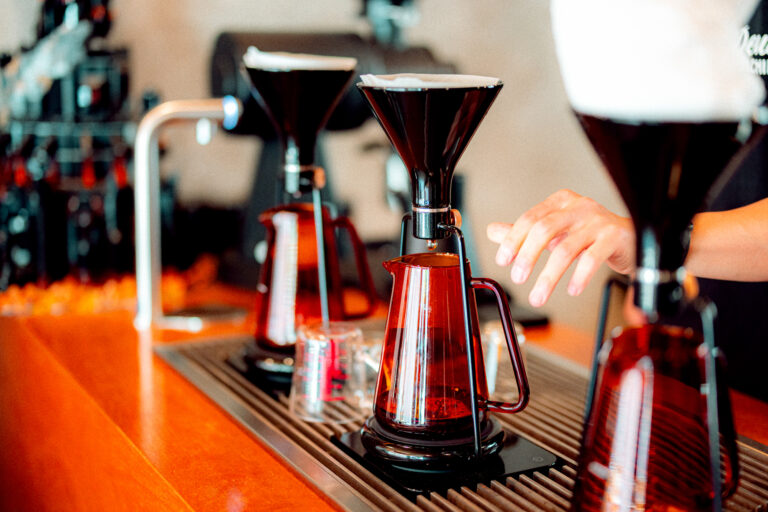
You’re standing behind the counter. The only language you can speak confidently is Korean. Suddenly, a foreigner walks into the café. As they approach the counter, you start getting nervous, trying to search your head for the right English words. You know everything you need to say, but actually speaking English is something you haven’t done much. So you’re hesitant and nervous.
Then suddenly, you hear Korean coming out of that foreigner’s mouth. You’re taken aback for a second, but that nervousness quickly turns into relief, and you confidently finish the transaction.
Even if you still need to switch to English for a follow-up question, the ice has already been broken. It’s going to be a little easier for the other person now. I’ve seen this exact situation play out quite a few times. And every time I see someone’s expression soften and turn into a smile, I think to myself that learning the language was worth it.
And that’s exactly what this post is about. I want to talk about some of the benefits that learning the local language can bring to your trip. I will be using Korean as that is where I gathered my experience. Things may differ between languages. Things like reading menus or signs is going to be a whole lot simpler in Korean than in Mandarin or Japanese for example.
 View full image
Reading Signs & Menus
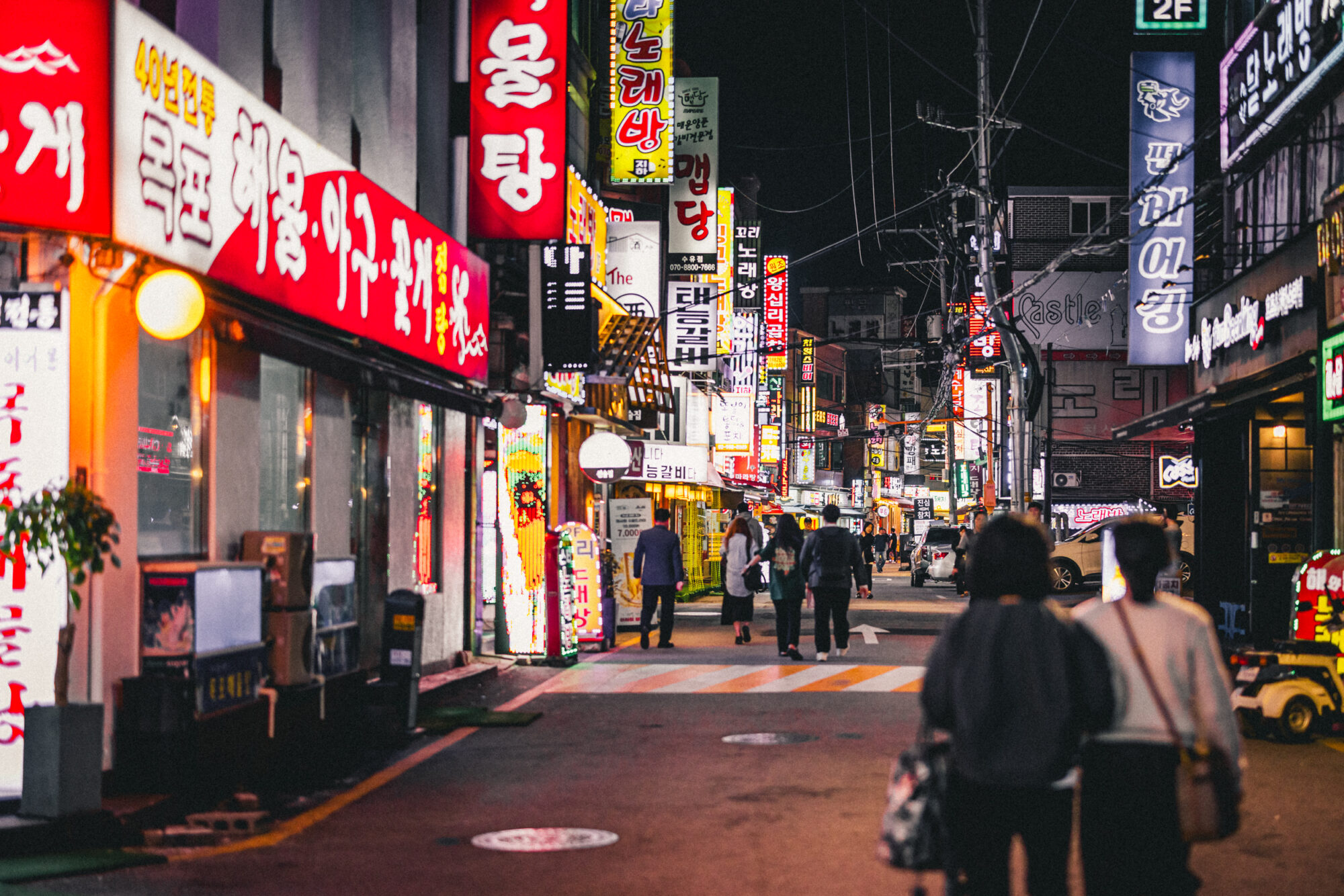
Being able to read signs and menus will make it much easier to navigate around the country you’re visiting, especially in places where English is less common.
Korea uses a very easy-to-learn alphabet called Hangul (한글). It looks more complicated than it really is. You can easily learn it over a weekend, and the benefits are huge.
If you go to a café, take a look at the menu, and realize there’s no English available, you might still be able to figure things out. Things like “카라멜 마키아또” (Caramel Macchiato) or “말차 라떼” (Matcha Latte) are basically foreign words written out in Hangul. And that’s already the first benefit you get. Just by knowing the alphabet, without even learning a single Korean word, you’ve already made your trip that much more comfortable.
If you combine that with some basic but useful words like 화장실 (bathroom), you can suddenly find the bathroom on your own without having to ask someone where it is.
And trust me, even if you read very slowly in the beginning, once you start reading signs and menus while you’re out and about, you’ll improve incredibly fast. So when it comes to Korean, learning Hangul is definitely worth it.
 View full image
Basic Communication
The next step goes beyond simply helping you navigate. Learning some basic phrases can improve your overall experience and allow you to visit places where English might not be commonly spoken.
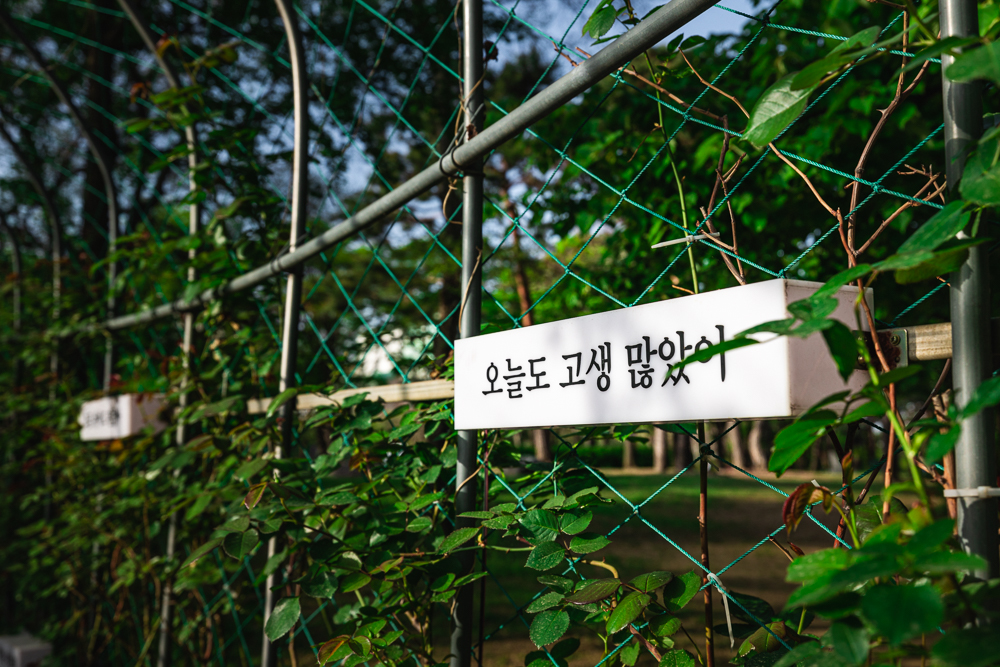
Once you learn some basic phrases, things start to open up a lot. I want to preface this by saying that, in my experience, Koreans are generally very kind and polite. Even on my first trip, when I couldn’t say much more than “Hello” (안녕하세요) and “Thank you” (감사합니다), the way the people I met treated me is something that still fills me with gratitude.
Those people are a big part of the reason I decided to start learning Korean for real. They’re the reason I’ve stuck with it until now, and why I plan to keep going.
But once you’re able to confidently use some basic phrases and get through something like ordering a coffee at a café or food at a restaurant, you may start to notice a difference. People often seem to warm up a little. Many Koreans have studied English themselves, so they know firsthand how difficult learning another language can be. Because of that, they often seem genuinely appreciative when someone has made the effort to learn Korean and is confident enough to actually use it.
And that feels really good. I’ll be honest, the first few times someone complimented my Korean, I felt like I could take on the world! I was so happy that all the effort I had put in was starting to bear fruit. Sometimes people might even remember you the next time you visit.
One experience I always like to tell happened in 2023.
On my first trip after actually starting to learn Korean seriously, I went to a Starbucks near Dongdaemun Design Plaza (동대문디자인플라자). It was the one in the DDP Market. I ordered a caramel macchiato, as I always did at the time. The barista was a guy with the name tag “Bambi.” We didn’t really chat or anything. I simply ordered my coffee in Korean.
About two weeks later, I went back to the same place. When he saw me, he asked:
“아이스 카라멜 마키아또 맞죠?”
“Iced caramel macchiato, right?”
He told me he remembered me because I was a foreigner who could speak Korean. Well I’m sure the huge black backpack I’ve been lugging around was an identifier as well.
Now, I also want to set expectations. This isn’t going to happen every time. And in recent years, more and more foreigners have started learning Korean and showing an interest in Korea in general. So something that might have stood out more a few years ago has become increasingly common.
That being said, I still think learning a few simple phrases is absolutely worth it. Even if all it does is make an interaction a little warmer or put a smile on someone’s face, that alone can make the effort feel worthwhile.
 View full image
Advanced Communication
This is the step I’m currently at. At this point, you’ve moved beyond simple phrases. You can actually hold a real conversation, build meaningful connections, and your overall comfort level increases massively.
This is the final step for now, since it’s the level I’m currently at. I’m not fluent yet, and I still make plenty of mistakes. But I can generally keep a conversation going. I understand more than I can actively say, and even if I don’t know a specific word, I can often explain what I mean in another way. I still struggle with deeper topics, and watching things like dramas or movies can be pretty difficult. I usually understand the general idea, but some of the details still escape me. That said, I understand enough to have fun while watching.
Reaching this level is no easy task. It takes consistent study, and it’s definitely not something you can achieve in the three weeks before your trip. So this is the point where I’d say it probably isn’t worth the effort if all you’re planning to do is visit Korea once.
But if you enjoy watching Korean TV, plan to visit the country more often, or want to make friends there, that changes things. Or maybe you’ve fallen in love with the country so much that you’re thinking about moving there one day. In that case, this is where I think seriously studying Korean starts to make a lot of sense.
At this stage, you can start building actual connections. Here are some of my personal examples:
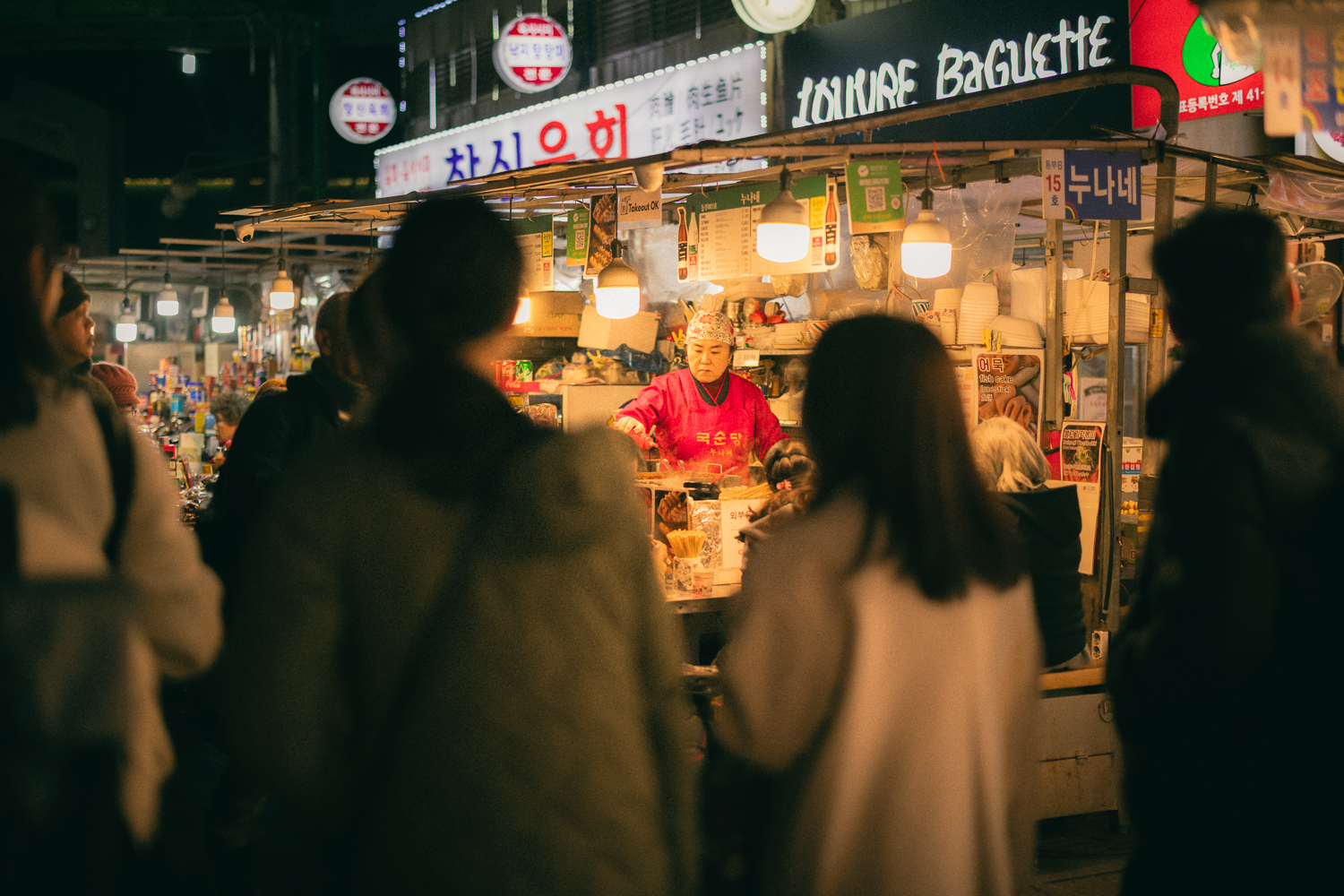
- When you walk into an empty little café, start talking to the owner, and really hit it off. Suddenly you’re following each other on Instagram and staying in touch.
- When you enter a perfume store and start talking to the clerk, only for another employee to come over because they’re surprised to hear a foreigner speaking Korean.
- When you go to a café and meet some of the other regulars. Suddenly you end up sitting there for four hours, talking with everyone and making new friends.
- When you overhear two older people next to you talking about you and guessing where you’re from because they don’t realize you understand them. Then, once you finally start talking to them, they get so excited that they invite you out for dinner.
- When you see that pretty girl or cool-looking guy and can actually ask them if you may take their portrait.
- When you start chatting with the people at the glasses store and end up becoming friends with them.
- When you can talk to and befriend the older couple who run the small pub you visit on Sunday nights for a few beers.
- When you talk to taxi drivers and learn things about the country and its people that you didn’t know before.
There are so many more examples I could give, but let’s stop here. I think that gets the point across well enough! For me, this is by far the biggest benefit. I’ve made a lot of precious friends in Korea thanks to being able to speak the language.
The next benefit is a little more materialistic. If you enjoy shopping and don’t mind flea markets or smaller independent stores, you can sometimes try haggling a little. Places like smaller underground shopping areas, such as the one at Myeongdong Station (명동역), or markets like Dongmyo Flea Market (동묘벼룩시장) can be good places for this. Some vintage stores may also be open to a bit of negotiation.
Just to give you one example:
When you come up from the subway at Myeongdong Station, there’s a shop that sells bags and suitcases. That’s usually where I get an extra suitcase if I need one for my flight back to Germany.
The one I bought last time was originally priced at 240,000 won. I looked at the price tag and started to move on, and the owner immediately offered me a 50% discount. So now we were at 120,000 won. I told him I appreciated the offer, but that it was still a little expensive, and asked whether he had anything closer to around 60,000 won. He then lowered the price again to 80,000 won. I suggested 70,000 won, and he accepted.
So in the end, I basically paid less than a third of the original asking price.
Now, obviously, that original price was massively inflated. The quality of the suitcase definitely didn’t suggest that anything above 100,000 won would have been a particularly fair price. But if you weren’t comfortable negotiating, you might have just picked the first one you liked and paid quite a bit more than necessary.
Another great benefit is that you no longer have to be afraid of smaller places where English is barely used at all. You can get around more easily and experience places that many tourists might otherwise skip. Personally, I feel like it also lets you connect with the history and culture on a deeper level.
You also start discovering new ways to express yourself through words and expressions that might not have an exact equivalent in your native language. That’s something I’ve grown to appreciate more and more the longer I study.
Overall, once you reach this stage, the benefits can be immense. But it’s also much more difficult to reach than the previous steps. Whether it’s worth the effort or not really depends on what you want to get out of learning the language.
How about it?
Did I get you a little excited about learning Korean? Or maybe you’re thinking about a different language instead?
Either way, no matter your destination or your goal, learning even a little of the local language is worth it and can absolutely improve your trip. More advanced study, on the other hand, is usually only worthwhile if you have some deeper connection to the country beyond a single visit. That connection can come in many different forms, as you’ve probably seen throughout this article.
If you do decide to give it a try, then I wish you lots of success!
Enjoyed this post?
Support my photography and stories with a coffee.
You might also like
Exploring Seoul: Myeongdong (명동)
Busy shopping streets, street food, and evenings beneath the neon lights.

Fragrance Etiquette in Korea
Spray less. Keeping it subtle is a good rule of thumb.