A wider angle: 15-35mm
I already talked about the experience with a 50mm lens. Now we go for a wider angle.
In a previous article, I talked about what it’s like shooting with a 50mm lens in Seoul. Today I want to go a bit wider. I’ll be using photos taken with my Canon RF 15-35mm f/2.8 L to show you what you can expect from this kind of lens and where it comes in especially handy.
The zoom range itself is one of the biggest advantages of this lens. Being able to go from an ultra-wide 15mm all the way to a much more natural 35mm gives you a lot of flexibility without having to constantly change lenses. That makes it a great travel companion.
Personally, I still prefer my 50mm for general shooting, but there are simply some things I can’t fit into the frame the way I want with it. That’s why I like bringing both lenses. Most of the subjects I can’t really capture the way I imagine with the 50mm are fairly static anyway, so I can change lenses without having to worry too much about the scene changing while I do it. After all, you don’t usually see a building disappearing right in front of you, right?
Anyway, let’s get to it! I’ll show you some of my photos and talk a bit more about the different focal lengths along the way.
 View full image
15mm – Ultra-Wide
Let’s start by showing off the wider end of the lens! Streets, architecture, and landscapes are all great subjects for making use of this focal length.
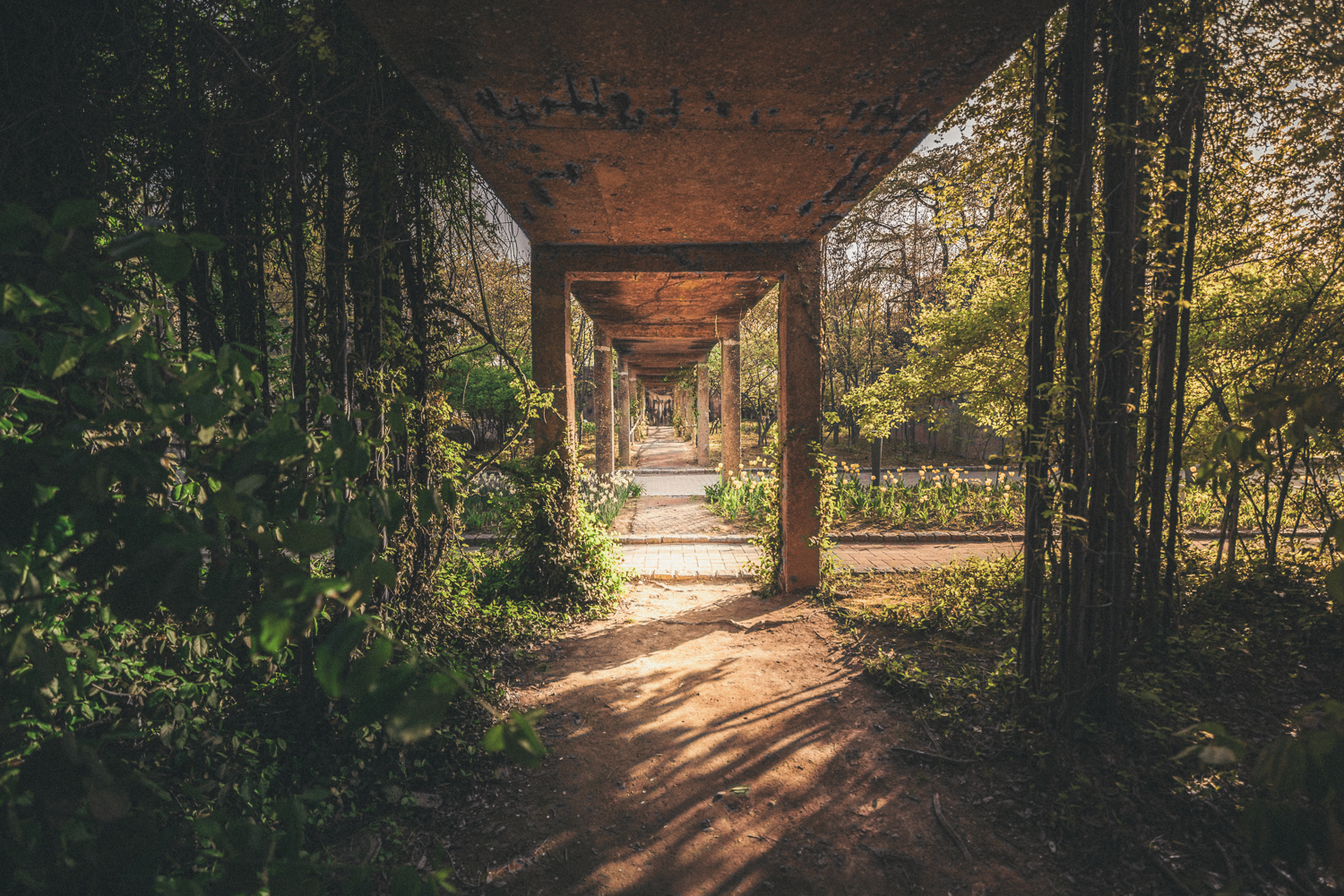
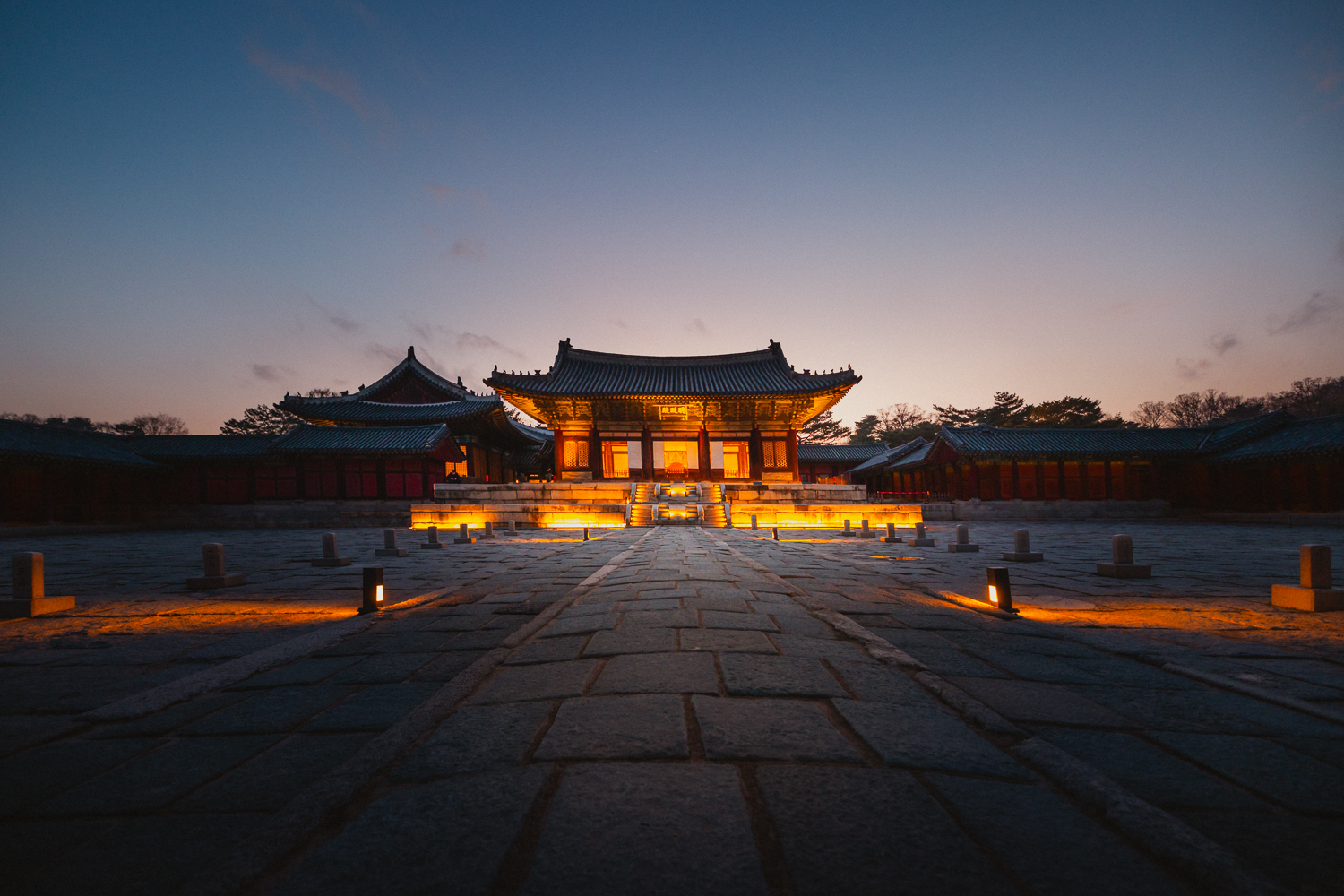
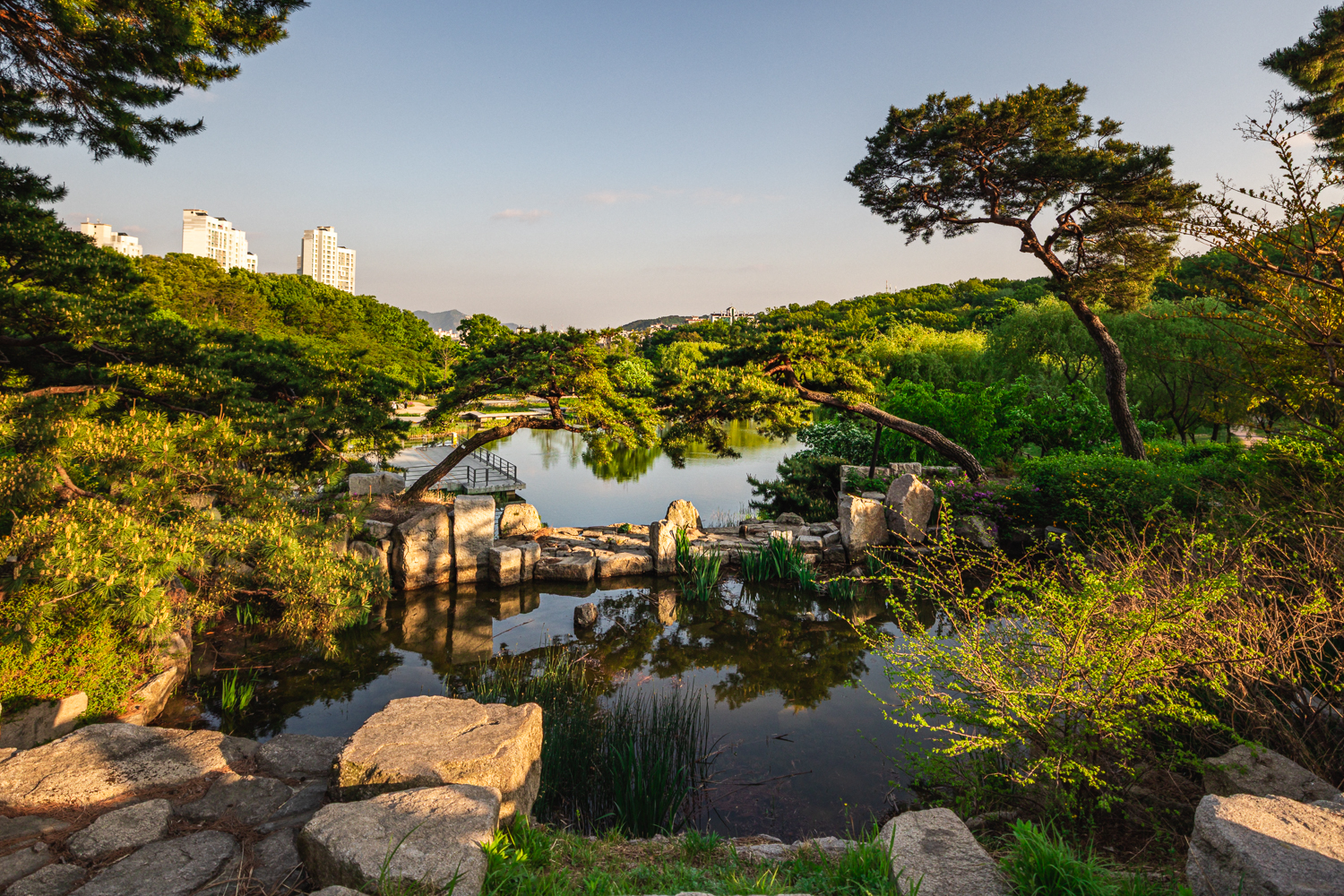
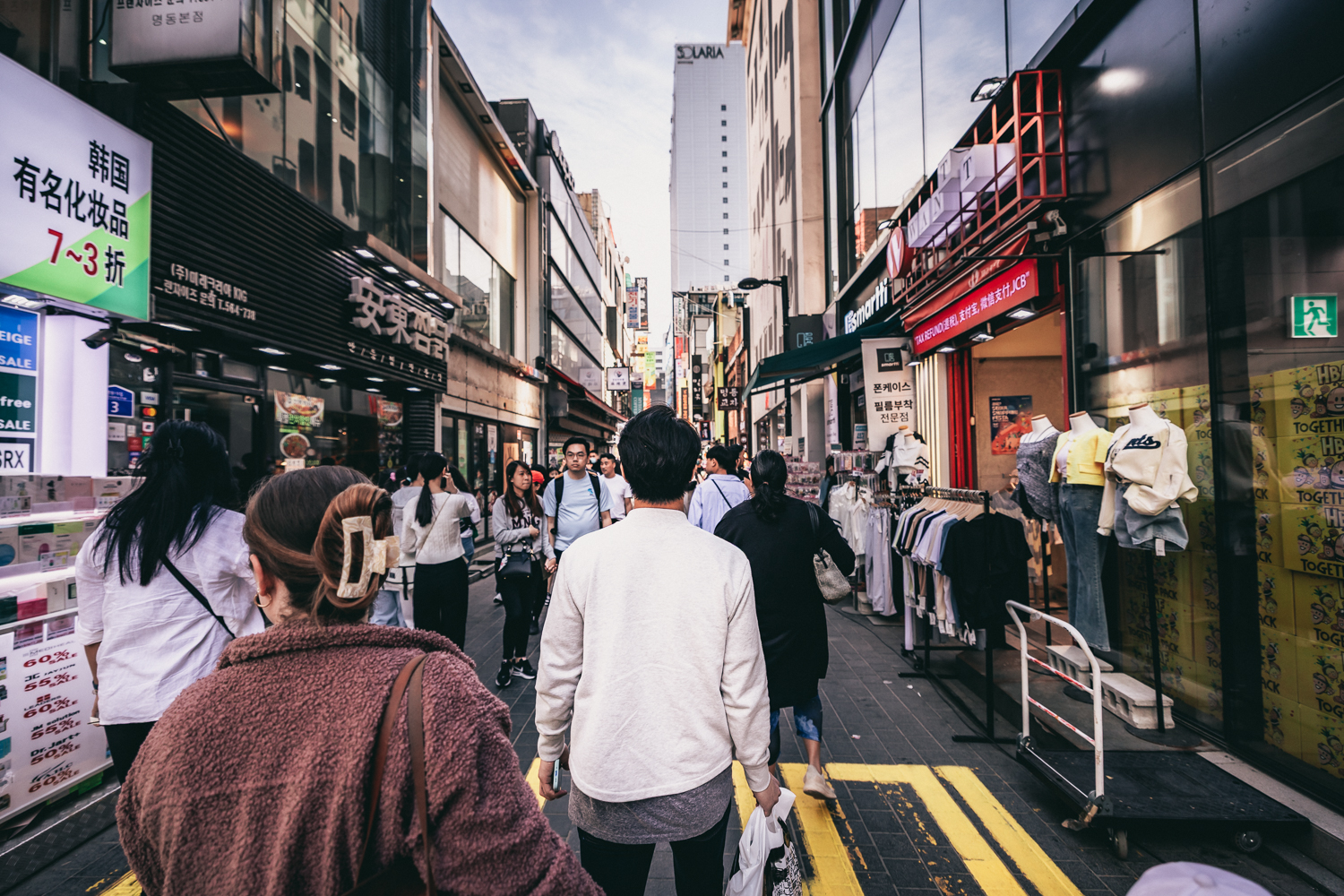
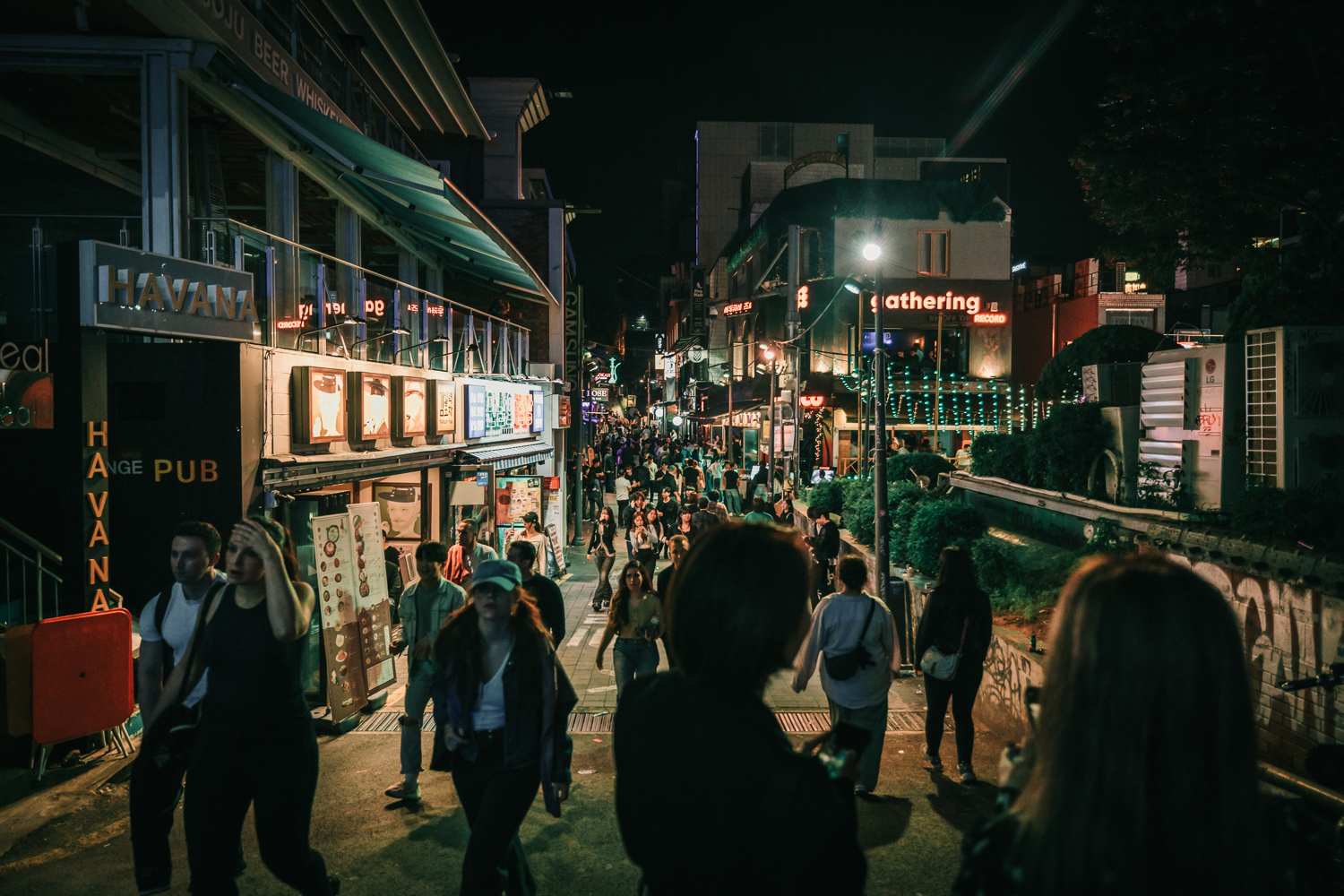
The 15mm end is very much a wide-angle lens. It helps you capture large scenes or fit an entire building into the frame when you don’t have much room to move back. It’s also great for photographing bigger groups, although it requires a bit more attention when it comes to composition. You’ll have a lot more inside the frame, and because of the wide focal length, it can be harder to separate your subject from the surroundings.
At 15mm, you’ll also notice quite a bit of distortion and stretching towards the edges of the frame. You can correct some of that later, but sometimes I actually like using it to my advantage. It can work especially well with architecture or when you deliberately want to exaggerate a certain part of the image. With people, though, you have to be a little careful. If you don’t use the effect intentionally, faces and bodies near the edges can start looking a bit strange. Most of the time, I’ll correct what I can in post.
What I really like about the wide end is how the images can feel larger than life. There’s something about 15mm that can make buildings, streets, and even relatively small spaces feel surprisingly grand.
Indoor photography is another area where this lens really shines. Since you might not have enough space to step back with something like a 50mm, the 15mm allows you to fit much more into the frame, even in smaller rooms.
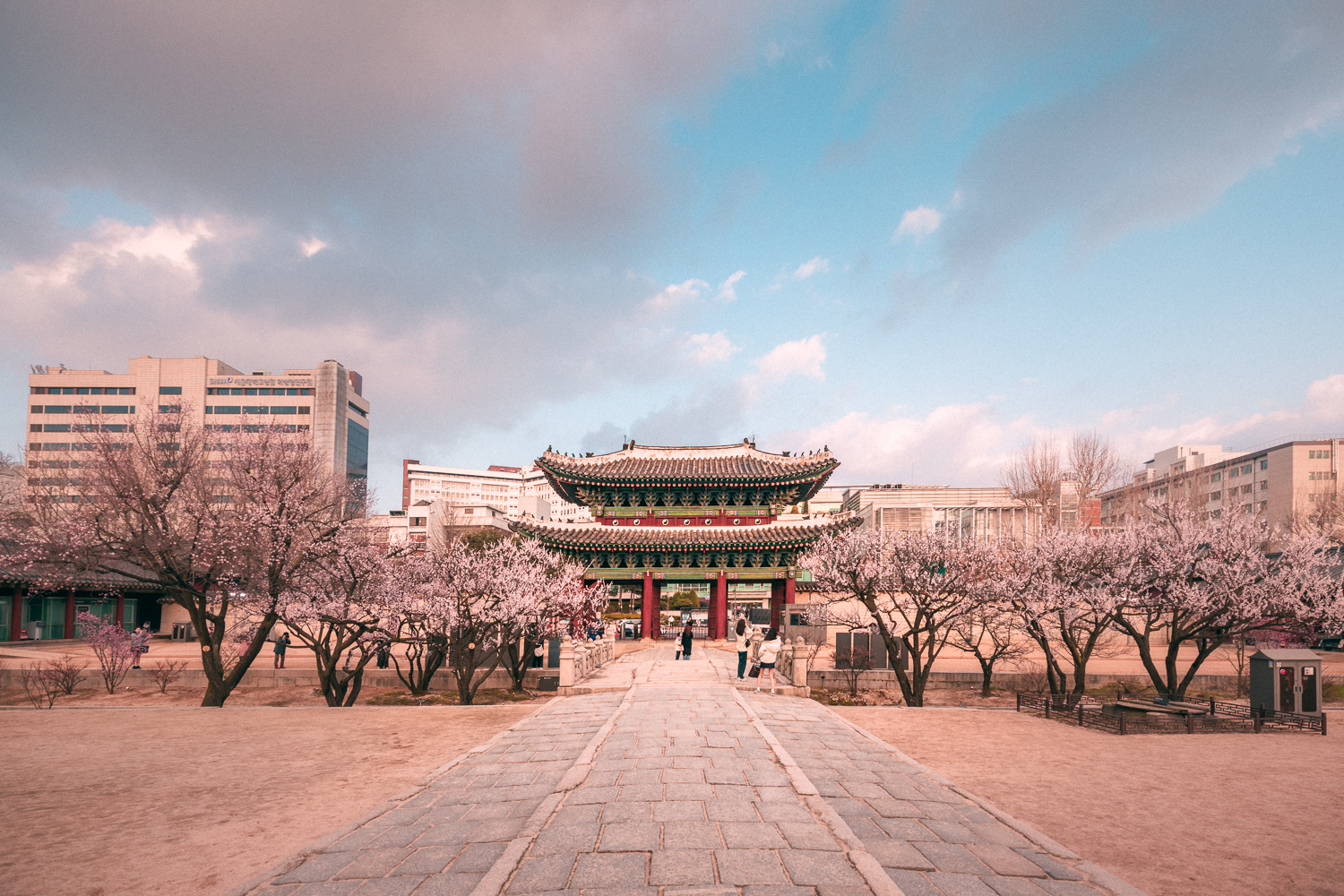
If you look at images 5 and 6, for example, you can see how well this focal length works for capturing the bustling streets of Myeongdong (명동) and Itaewon (이태원). Meanwhile, images 1 and 3 show off some of that grandeur I mentioned earlier, making parts of Deoksugung Palace (덕수궁) appear even larger and more impressive than they actually are.
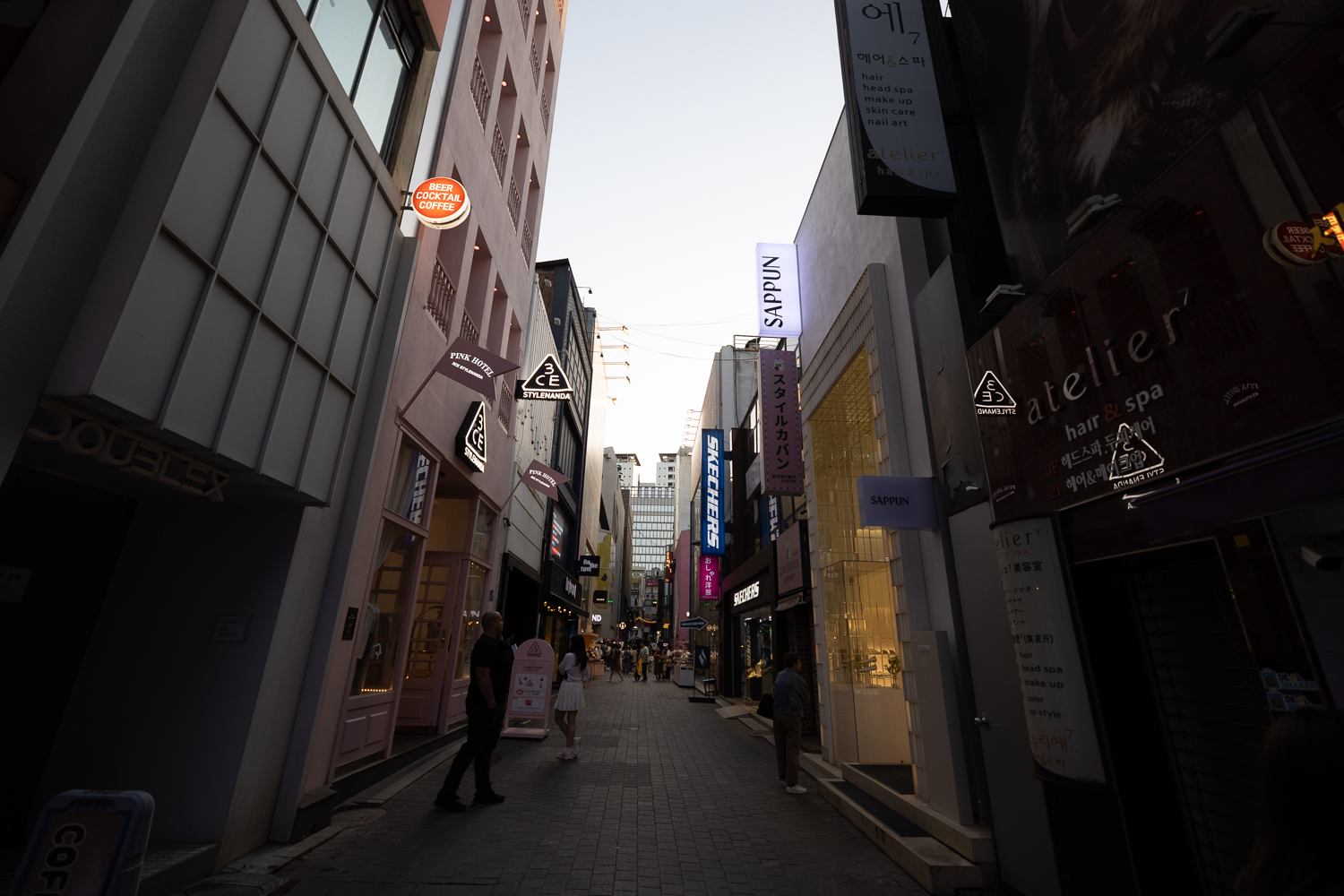
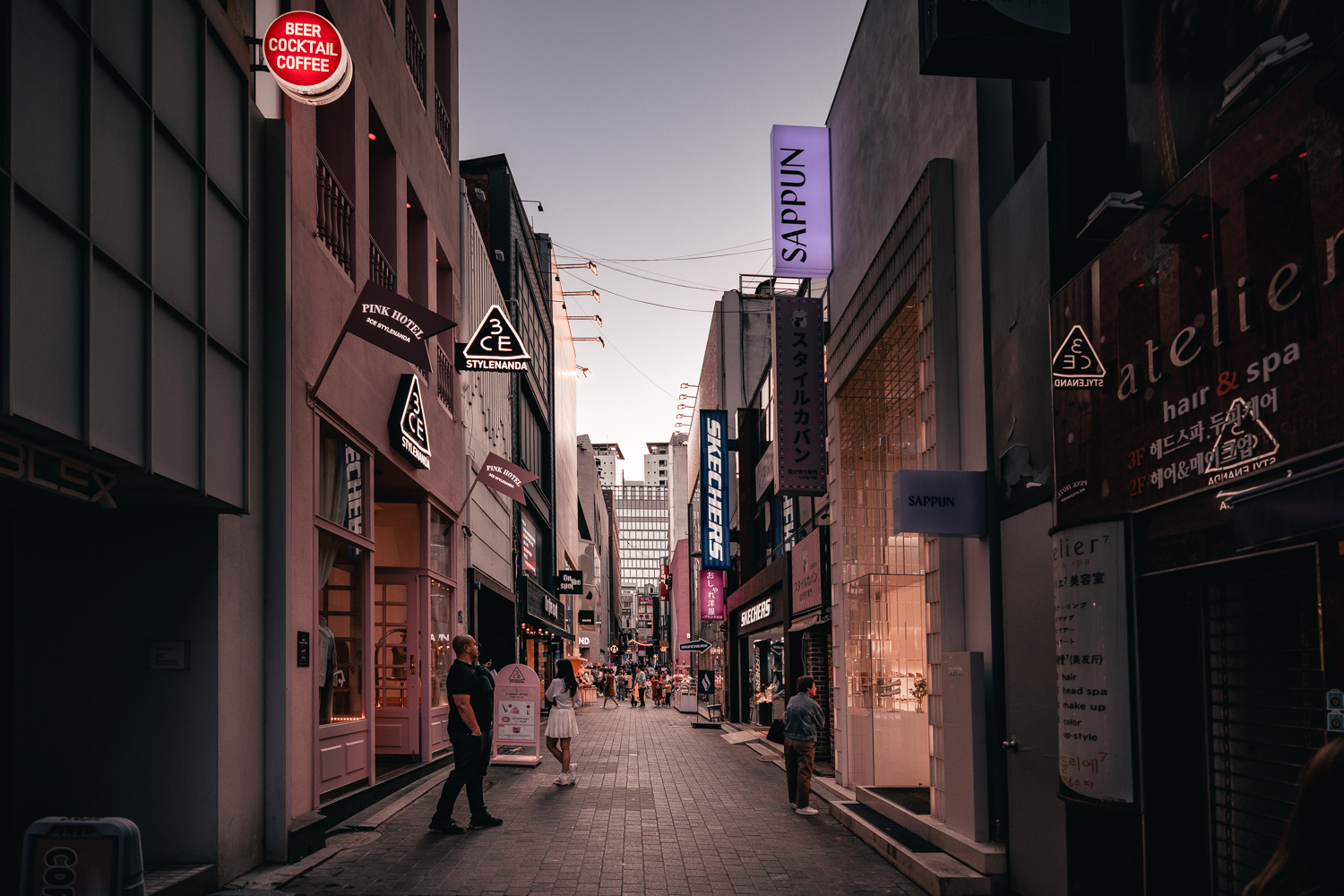
Below, I’m also going to show you an image straight out of the camera alongside the edited version. Rather than focusing on the colors or the overall edit, I want you to pay special attention to the distortion visible in the original image. It’s a good example of why taking a little extra time to correct your images can be especially worthwhile when shooting at the wide end.
 View full image
 View full image
As you can see in the images above, the vertical lines in the original appear to lean inward rather than remaining parallel. This is caused by perspective, and the effect becomes even more noticeable when shooting at such an extremely wide angle. It’s a separate issue from the optical distortion of the lens itself. You can correct this pretty easily in Lightroom using the Transform tool. One thing to keep in mind, though, is that correcting perspective might result in losing some parts of the image, depending on how much correction is needed. So keeping your main subject away from the edges of the frame can help a lot.
Then again, you might not necessarily want to correct it, because this perspective can actually be useful in certain situations. Fashion photography, for example, can benefit from deliberately exaggerating proportions, such as making someone’s legs appear longer.
I hope this gives you a better idea of why a wide-angle lens can be so useful in a big city!
 View full image
35mm – Still… Kinda Wide?
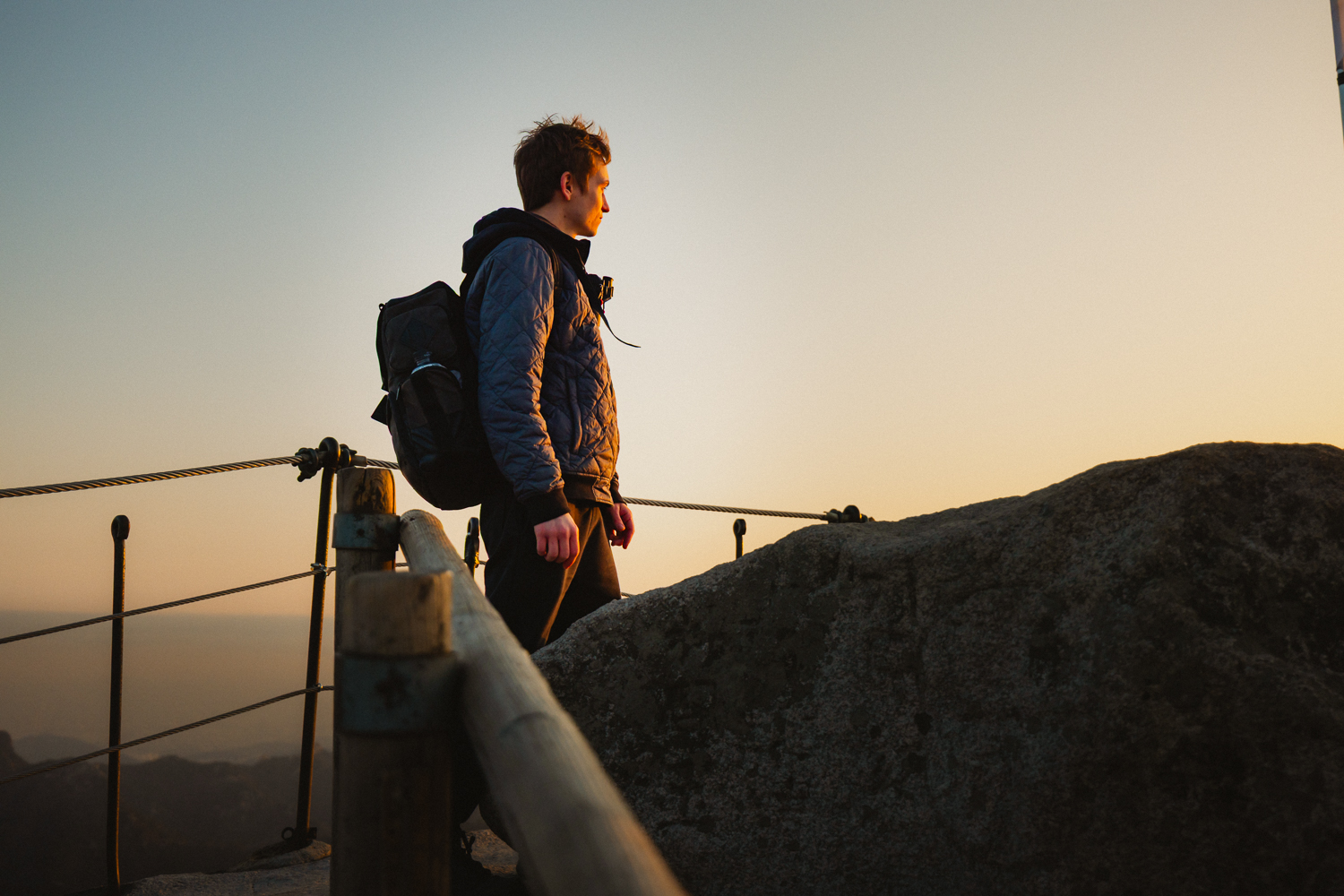
Now we move to the other end of the zoom range. While 35mm is still fairly wide, the field of view feels much more natural and closer to how we experience a scene ourselves. It’s great for environmental portraits and scenes where you want viewers to feel like they’re standing right there with you.
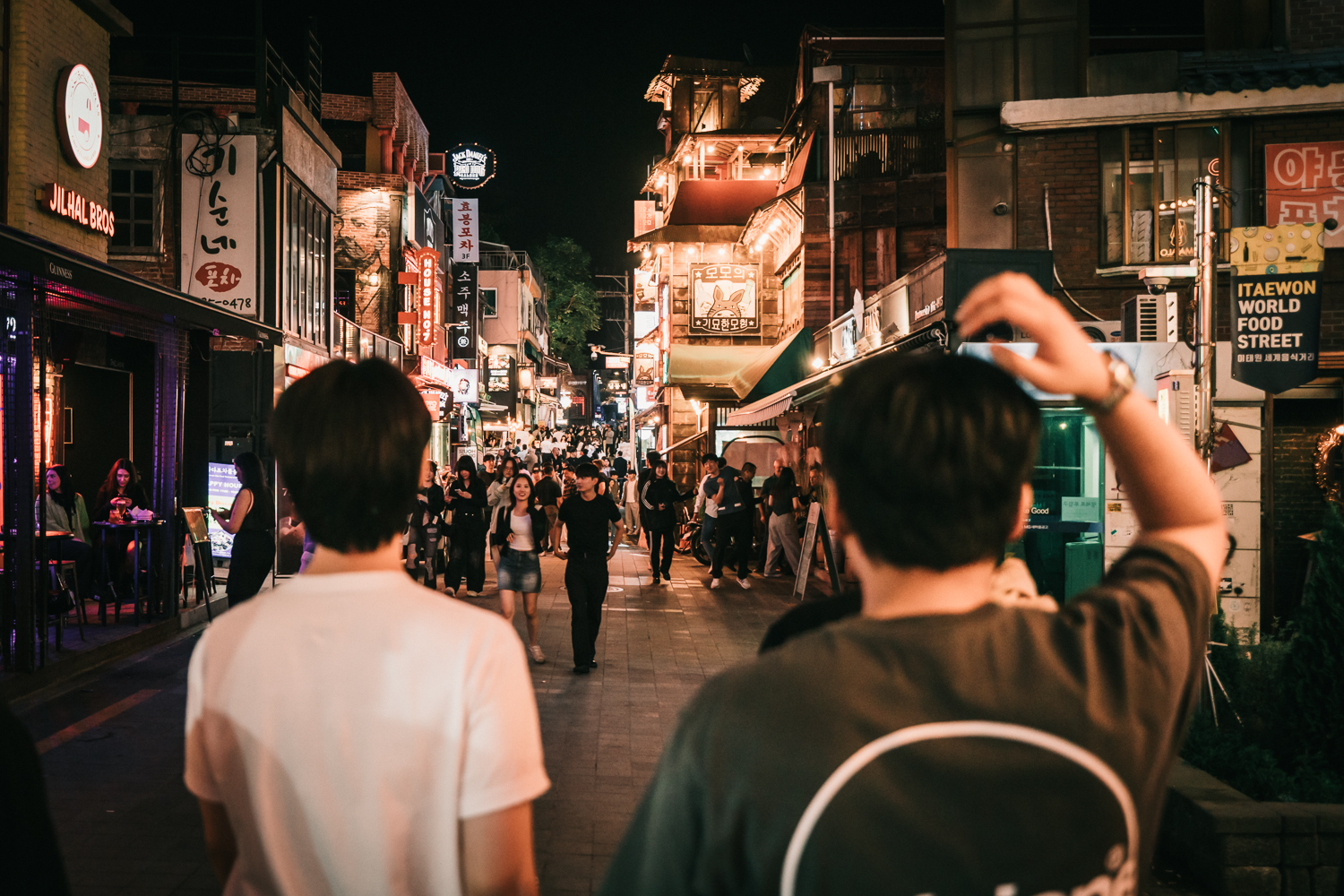
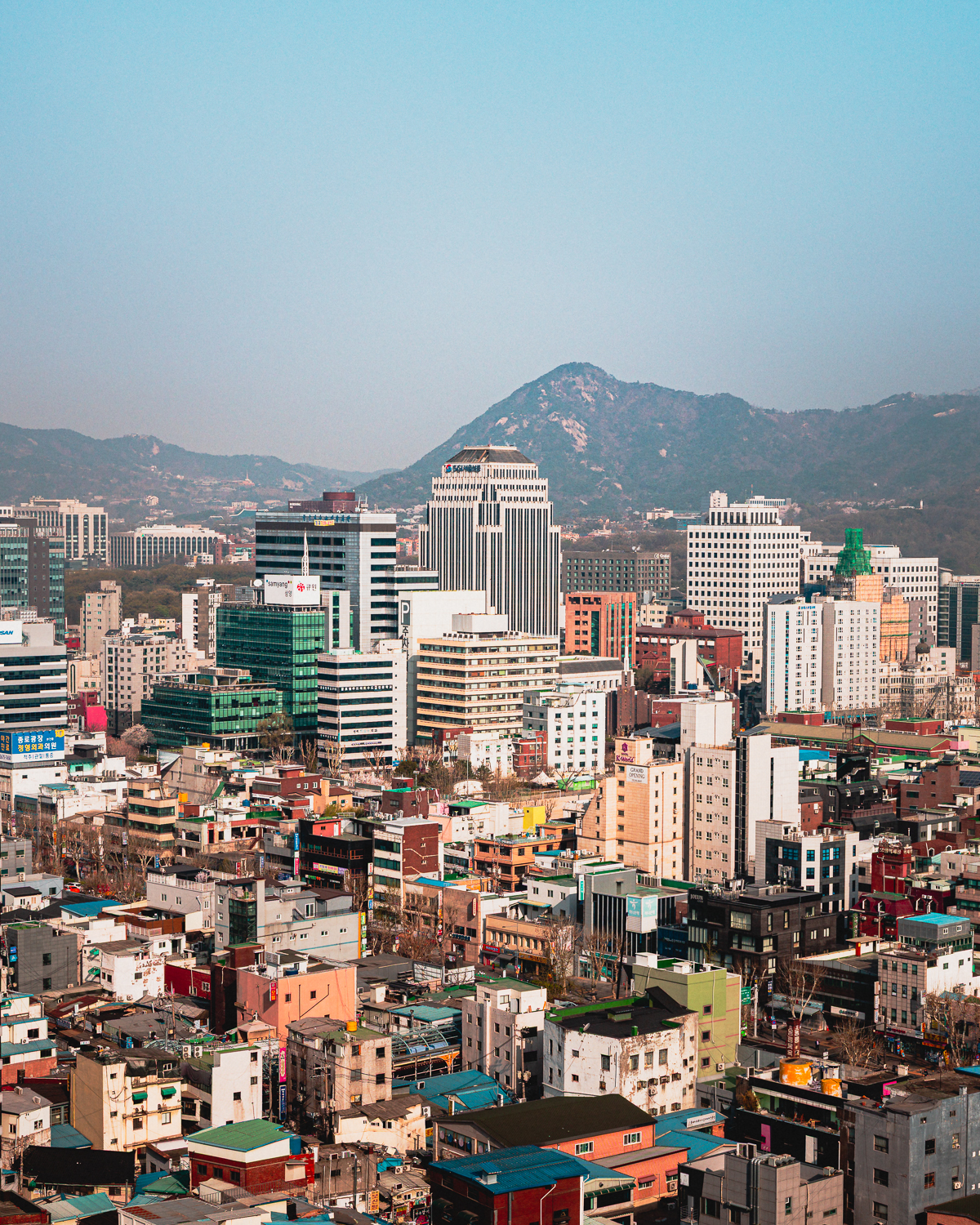
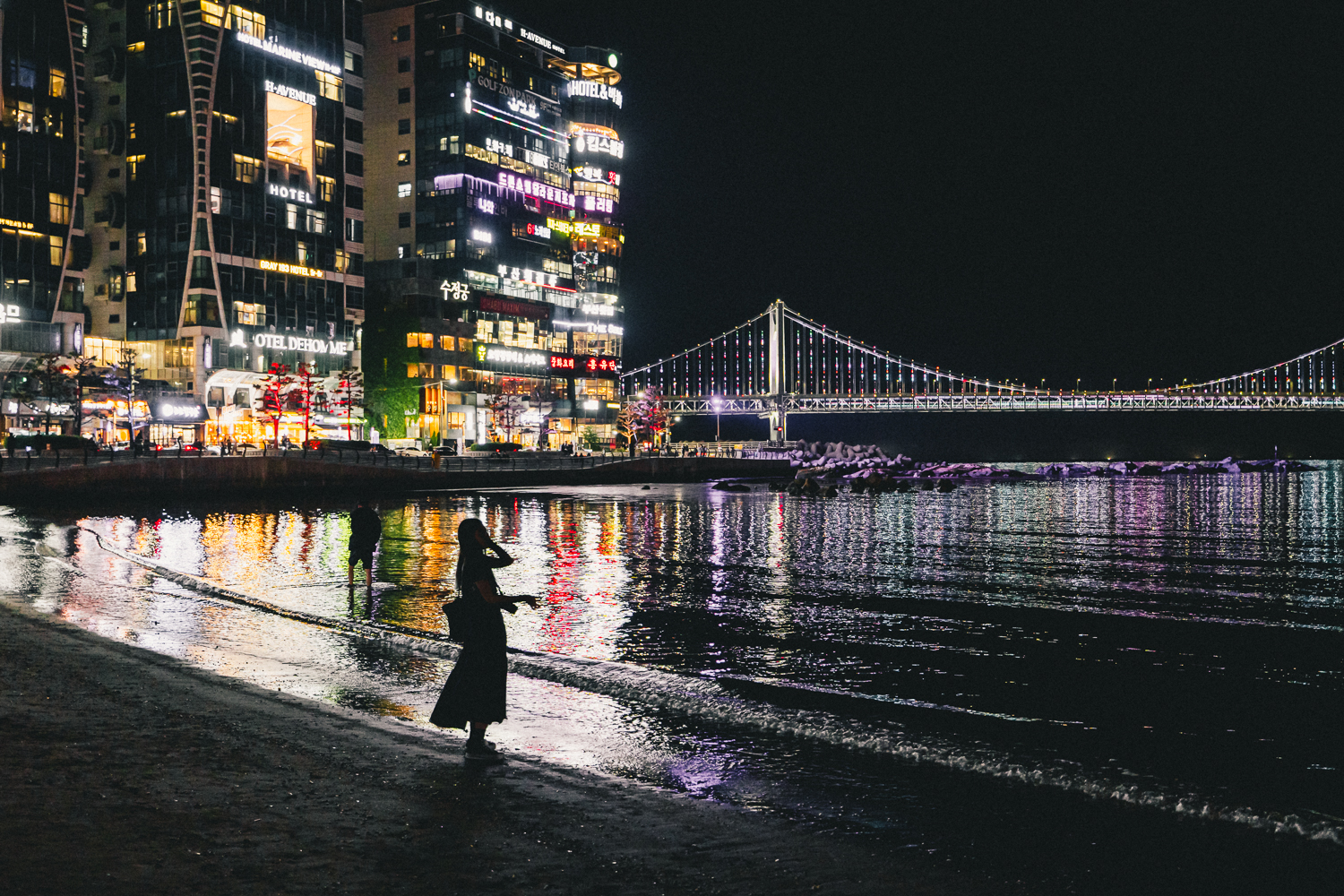
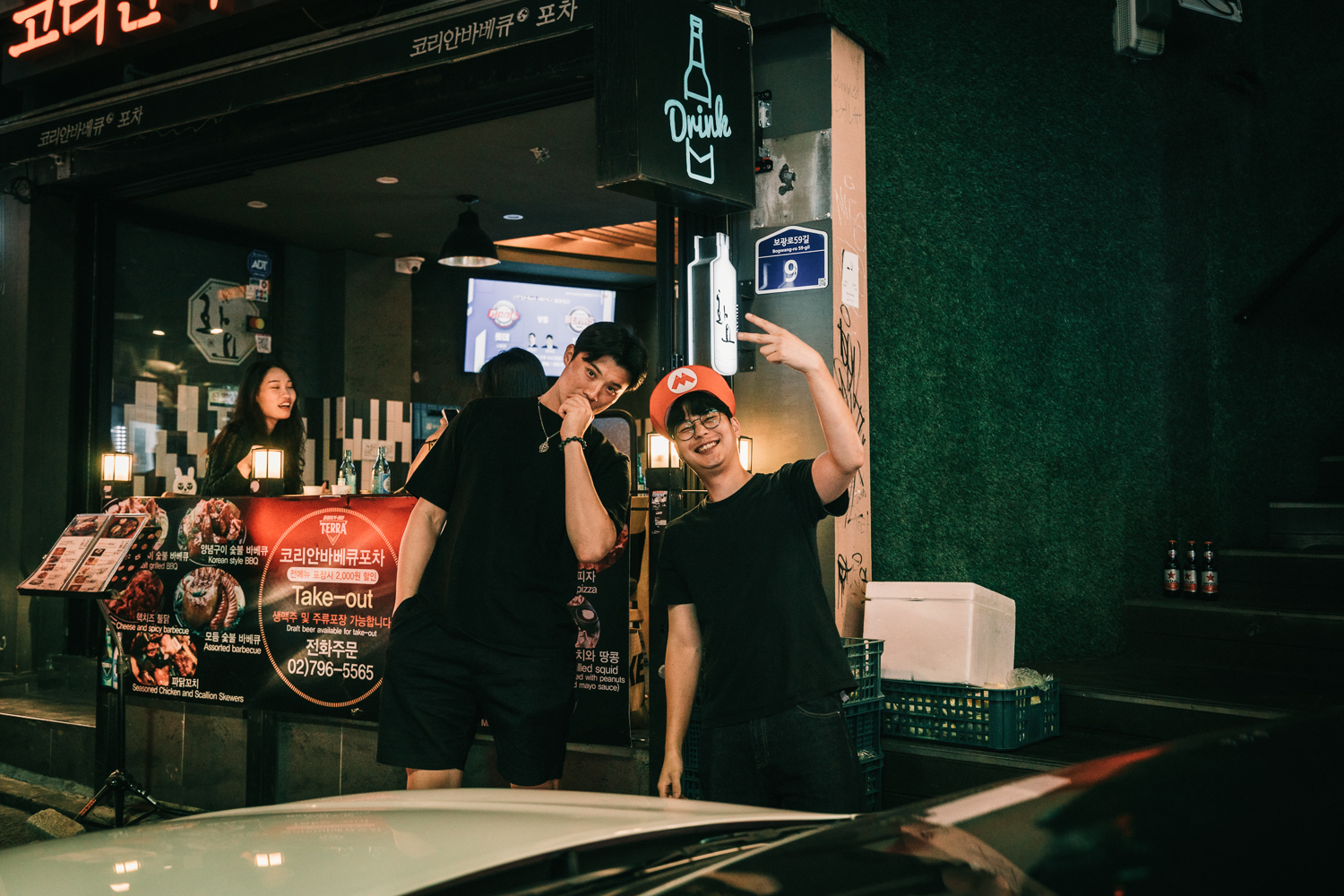
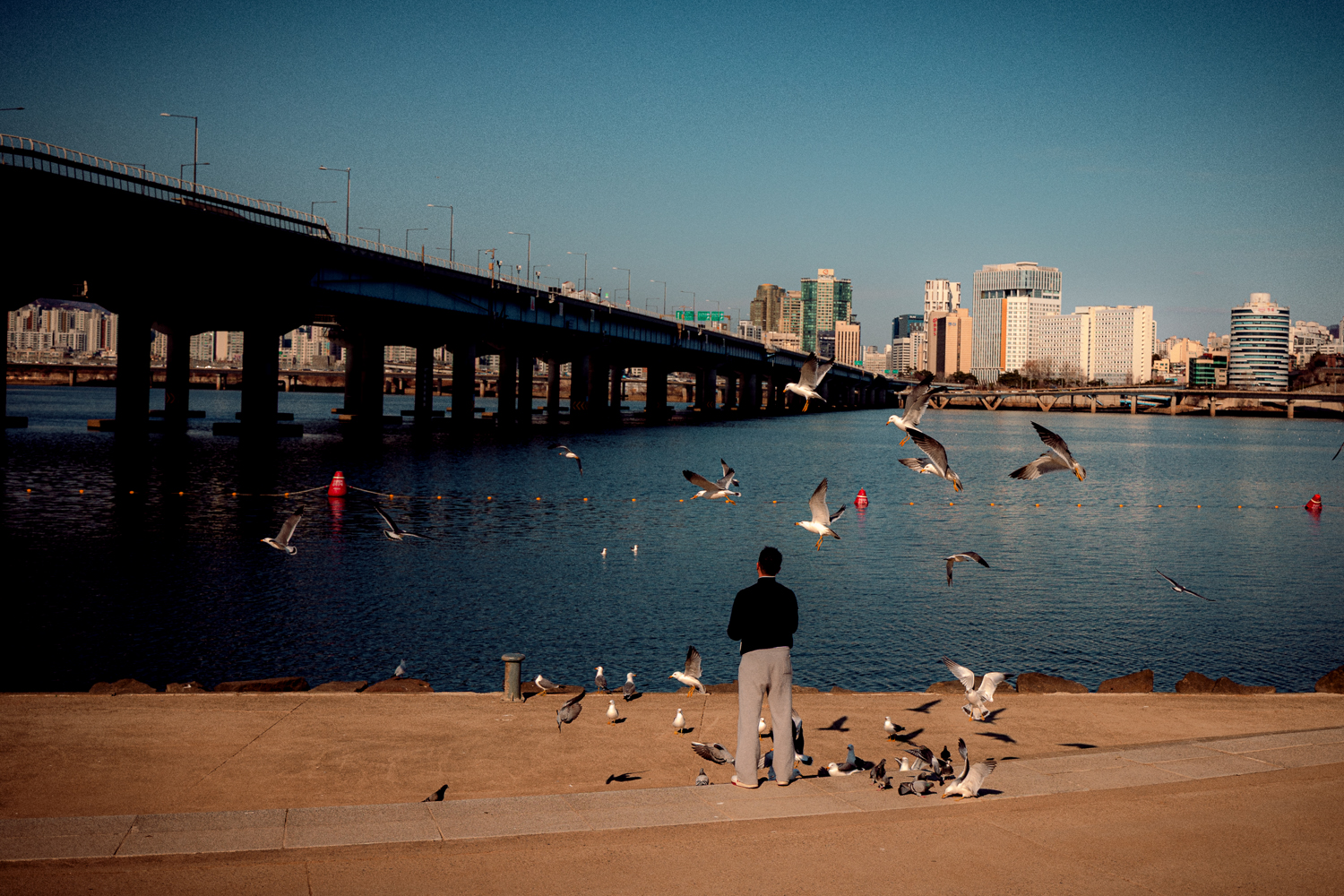
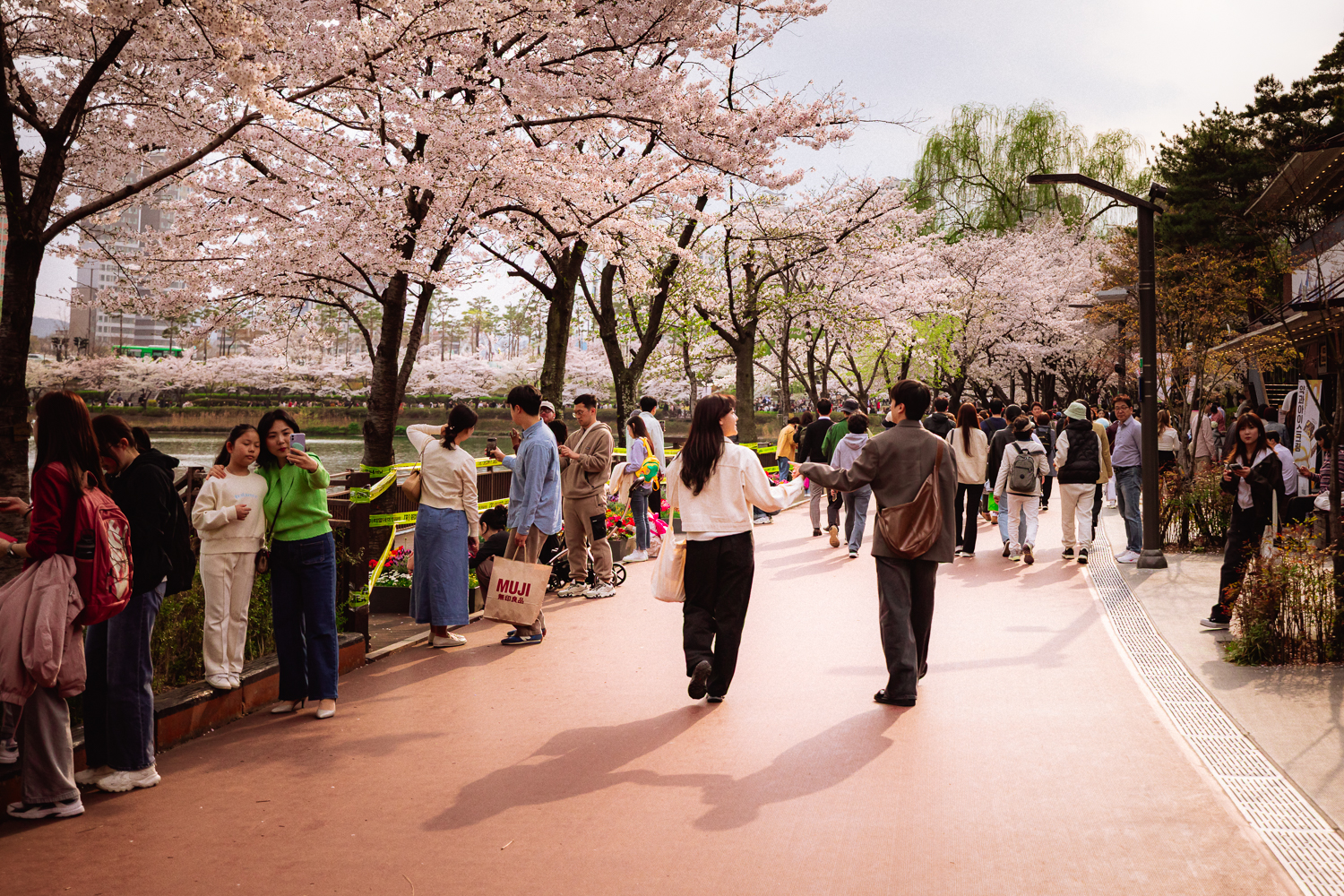
The 35mm end of this lens allows you to isolate subjects and create some background blur. It’s still fairly wide, which helps you include plenty of the surroundings. That makes it particularly suitable for environmental portraits.
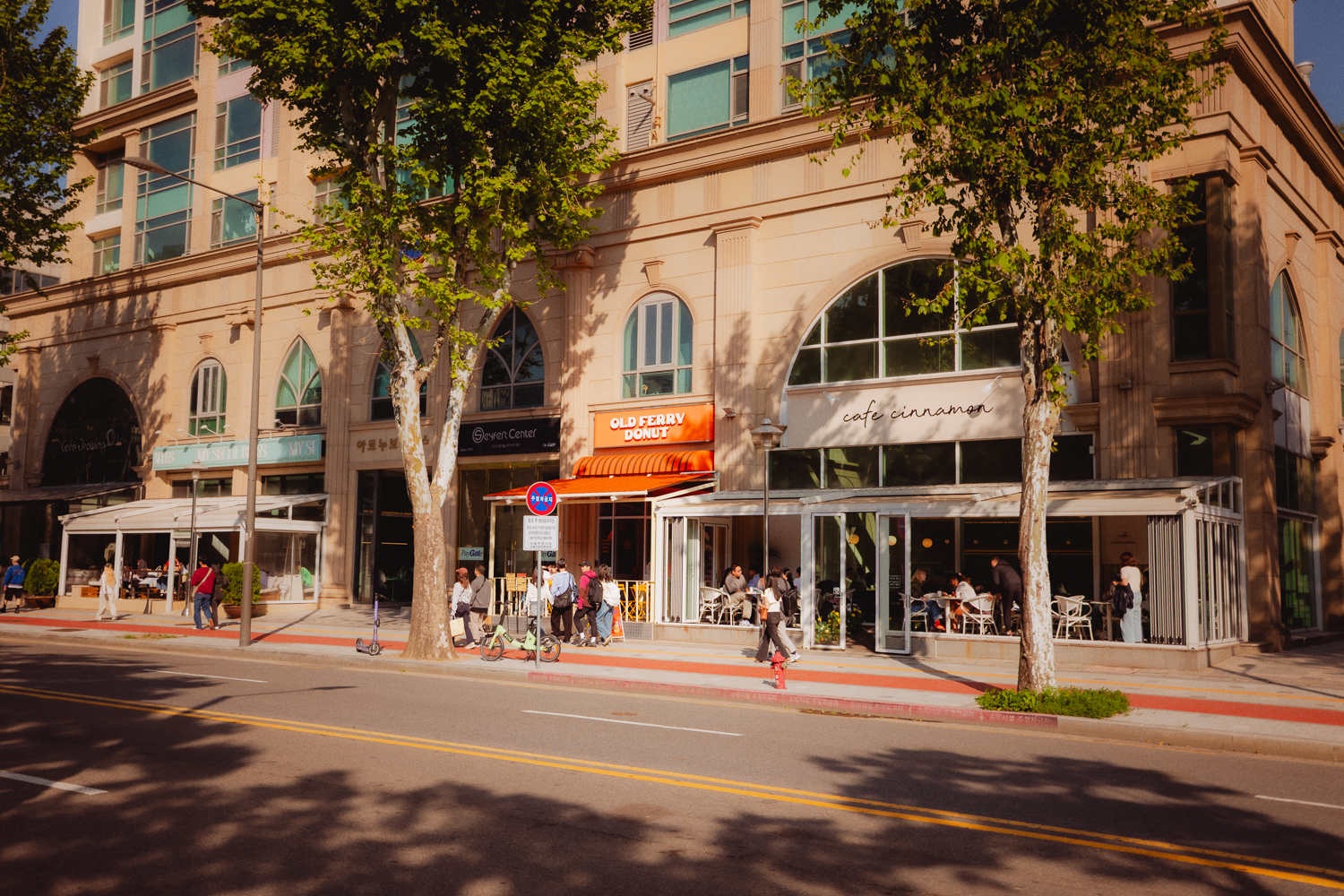
If you take a look at images 3, 4, 5, and 6 above, you can see that while they all have a clear subject, they also give you a lot more context. You can see parts of the scene and the environment the people are in, which helps tell the story behind each photo. And that story kinda makes the images feel more real. It also leaves room for interpretation. Why is that person in this particular place? What are they doing there? It feels like the answers are right there in the image. That’s exactly why I like using this focal length for these kinds of portraits. And I think that’s one of the reasons why 35mm is so popular among street photographers.
Of course, having a 35mm f/1.4 prime lens would give you a lot more creative options when it comes to portraiture compared to the f/2.8 aperture of this zoom. But using a prime instead would also mean giving up the flexibility of having the ultra-wide end available. It’s a pretty big trade-off, but if you’ve read my equipment post, you might remember that I’m planning on getting a faster 35mm lens next. I want to improve my environmental portrait photography, and I think a faster 35mm will help me enjoy that process even more.
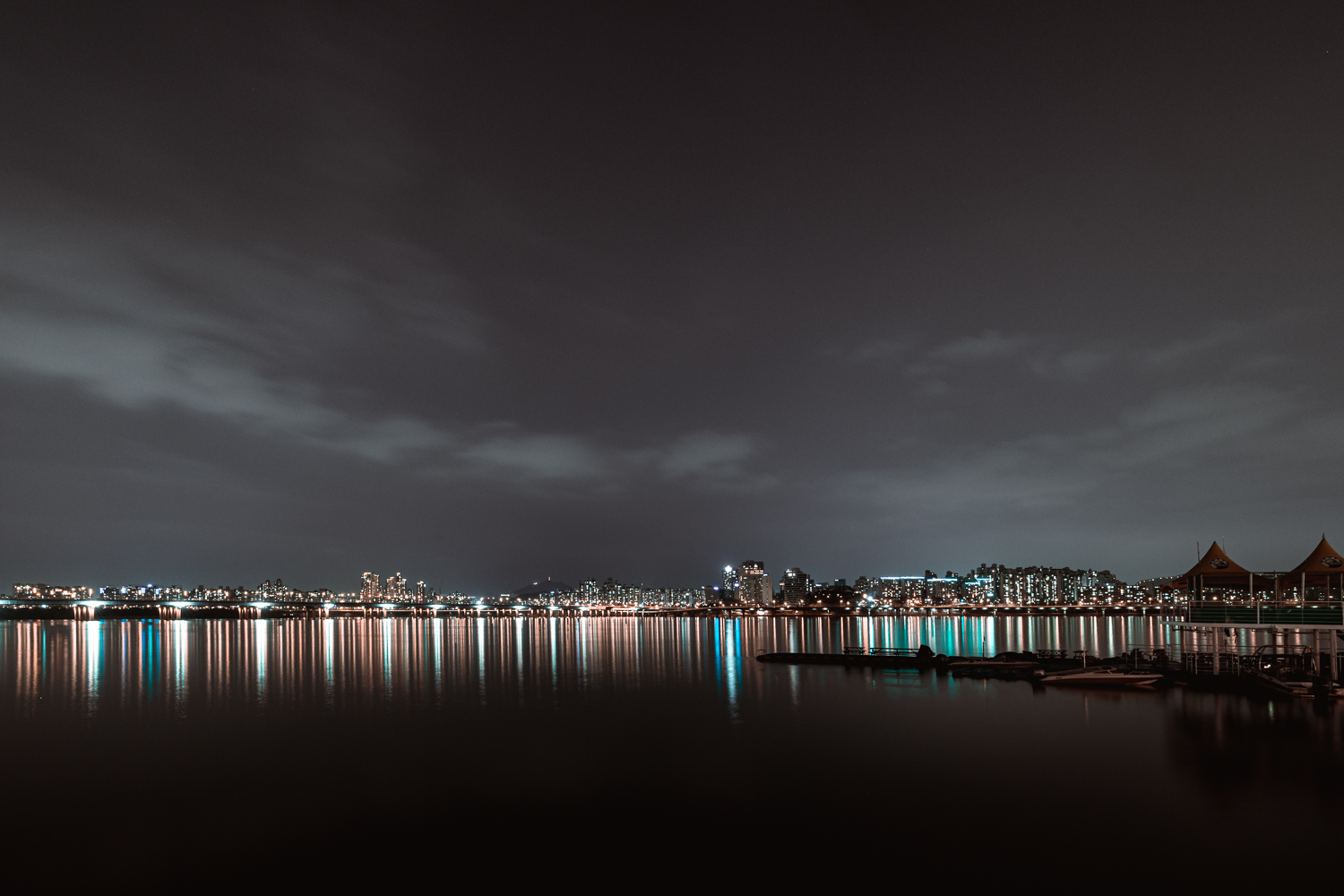
Apart from portraiture, 35mm also works really well for landscape photography, as long as you have enough space. It gives you a more focused view of the landscape compared to the wider end, while also having less noticeable distortion to deal with. The same goes for the perspective issues we talked about earlier. While they can still occur at 35mm, I find them much less noticeable than at 15mm, so depending on the composition, I often don’t need to correct much at all.
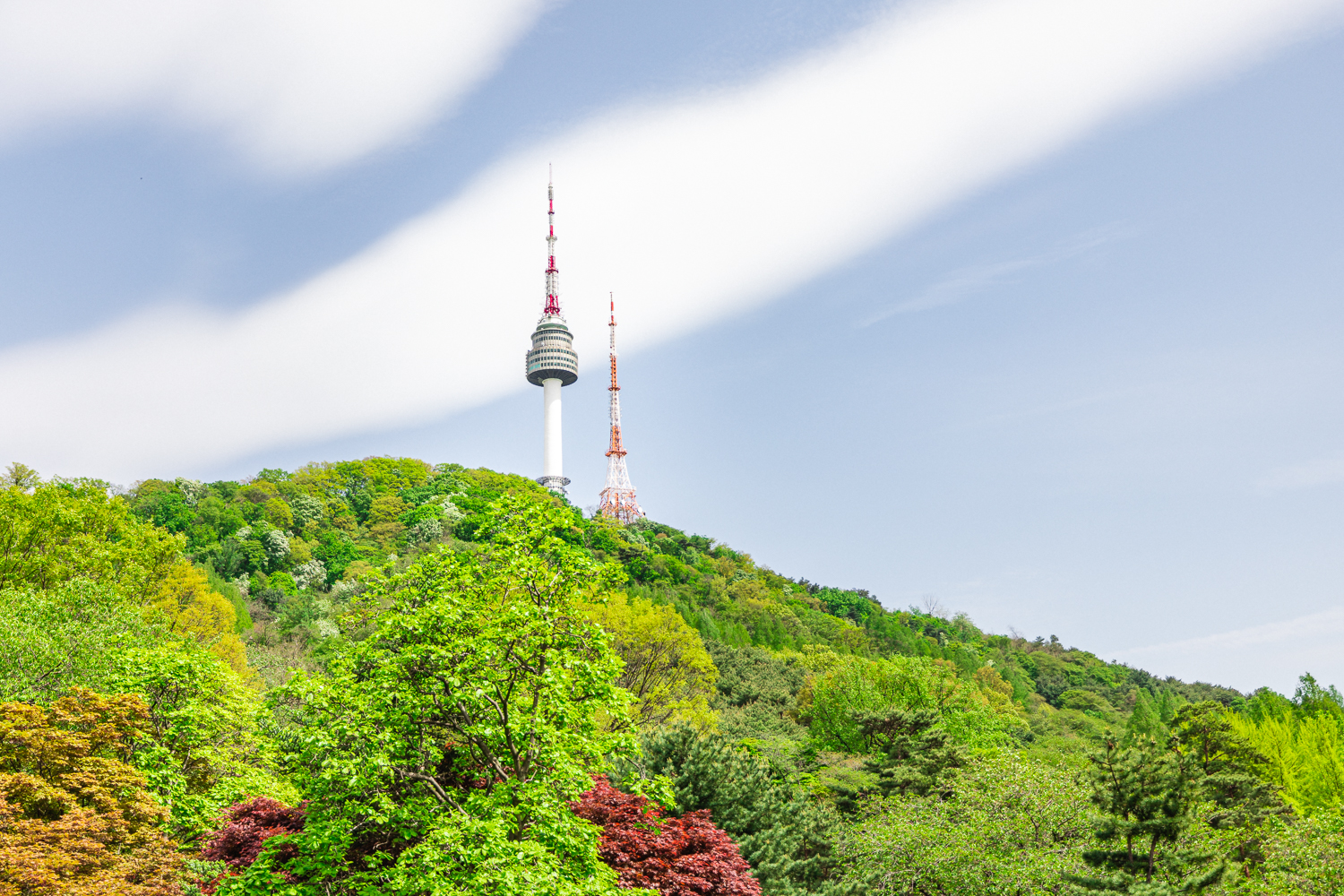
If you take a look at image 2, you can see that the composition has a much clearer focal point compared to some of the earlier, wider photos. Rather than emphasizing the grandeur of the scene, the narrower field of view creates a more focused composition, drawing attention to the buildings and the mountain behind them.
I really like being able to show people what a place looked like from where I was standing. It gives them a chance to experience a little of what I saw at that moment. Especially when it’s an important memory or a particularly beautiful view.
 View full image
When I Reach for It!
As you guys know, my favorite lens is my 50mm. So I want to talk a little about when I reach for the 15–35mm instead and why I choose it over my usual favorite.
I basically reach for the 15–35mm for three main reasons:
The first, and probably the most important reason, is using the wide end of 15–24mm to exaggerate a scene and make it feel more grand. Or, of course, when I simply don’t have enough space and want to capture everything. The wider angle helps a lot with fitting more into the frame, and I don’t always have the option of stepping back far enough to get everything into the shot.
The second reason is context and storytelling. When I use the lens for this, I’m usually shooting somewhere around 27–35mm. This gives me a more natural-looking field of view and allows me to show people a scene that feels closer to what I experienced myself. While I usually put this lens on my camera for the first reason, I always find myself taking these kinds of photos once it’s mounted. I generally prefer aesthetics over context, which is why I love my 50mm and the character that comes with its f/1.2 aperture. But if I switched lenses every time I wanted a different look, I’d probably spend more time crouching on the ground swapping lenses than actually taking pictures.
The final reason is simply fun. The exaggerated perspective you get at 15mm can be hilarious when you’re walking around with friends. If you’ve ever tried taking a close-up portrait with a wide-angle lens, you’ll know what I’m talking about. Suddenly, someone’s nose looks huge, or their forehead seems to stretch for miles. If you’re out taking photos not necessarily to show them off, but simply to preserve memories of a trip with your friends, playing around with these effects can be a lot of fun.
A Different Piece of Kit!
As you can see, the Canon RF 15–35mm f/2.8 L offers a very different experience from the 50mm in my kit. And that’s precisely why I carry both around with me when I’m out and about.
The zoom range makes it incredibly versatile, and that flexibility can make it a great walkaround lens when travelling. Using a lens like this to its full potential does require a bit more skill, though. Composition becomes more important, and especially at the wide end, you’ll often need to correct perspective in post. But the results are definitely worth it.
Have you guys tried shooting with a wide-angle lens yet? If so, what’s your favorite thing to photograph with it? And if you haven’t, did I manage to get you a little interested in trying one?
Enjoyed this post?
Support my photography and stories with a coffee.
Prefer a private conversation?
Send a private question or feedback about this article.
Send me a messageYou might also like
Seoul through a 50mm lens.
Let me give you an overview of what my favorite city looks like through my favorite lens.
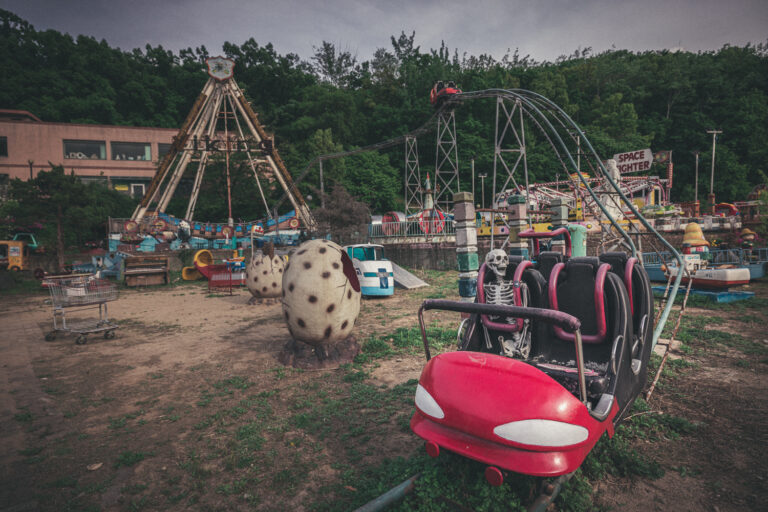
Exploring Seoul: Yongmaland (용마랜드)
An abandoned amusement park through my lens.
Thoughts or questions?
Share a thought, ask a question, or tell me about your own experience.
Be the first to leave a comment.